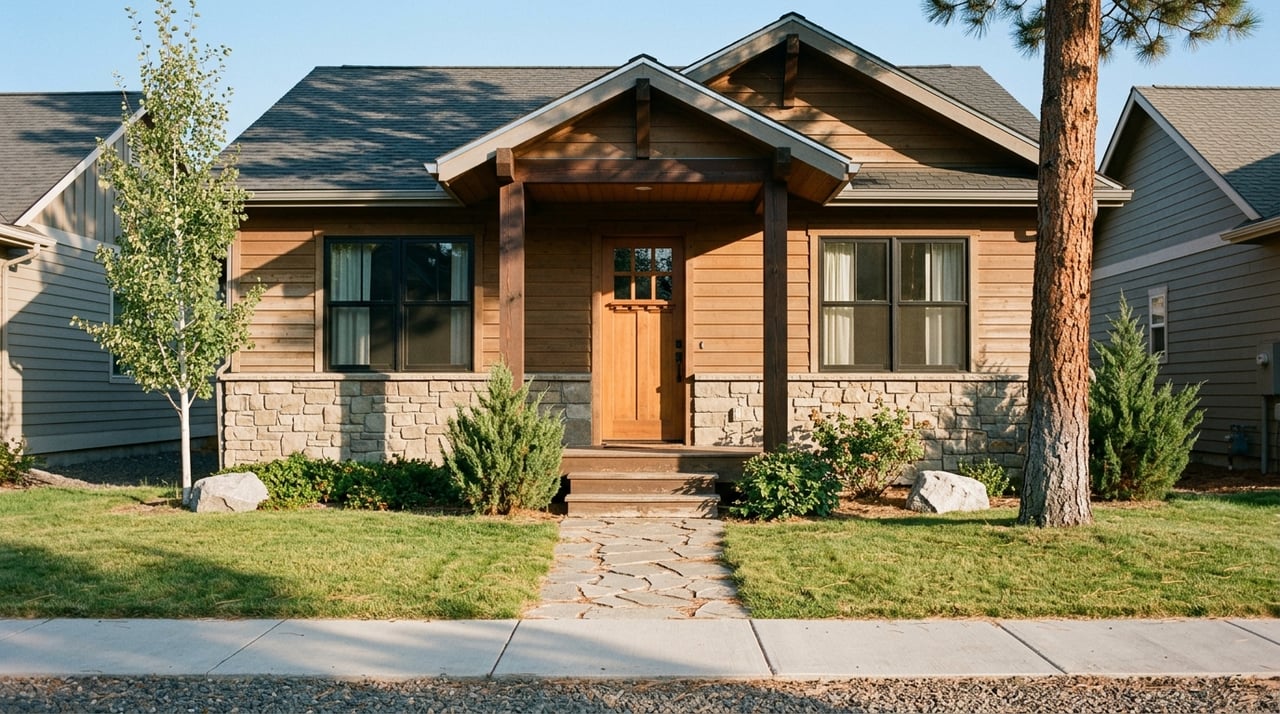
Downtown Custer SD Living: What Daily Life Looks Like
June 4, 2026
June 4, 2026
If you are thinking about living in downtown Custer, you are probably looking for more than just a home. You want to know what daily life actually feels like, what kinds of homes you might find, and whether the location fits the way you want to live. Downtown Custer offers a small-town center with local services, parks, and quick access to the outdoors, and this guide will help you picture what that can mean for you. Let’s dive in.
Downtown Custer serves as a small civic and commercial hub for the city and the surrounding area. City planning materials place Custer at about 1,919 to 1,926 residents in 2020, while Custer County had a 2020 Census population of 8,318.
That matters because downtown is not just a visitor area. City documents note that nearby communities also come into Custer for everyday needs, which helps explain why the downtown core plays such an important regional role.
The city zoning map also shows a mix of districts, including Central Business, Residential, Highway Commercial, Industrial, Park, and Medical areas. In practical terms, that supports the idea of downtown Custer as a mixed-use center rather than a single-purpose retail strip.
One of the biggest draws of downtown Custer is convenience. The chamber’s downtown business map shows shopping, dining, lodging, and everyday services clustered in the central area, so many errands can be handled close together.
For food and coffee, downtown includes places like Baker’s Bakery & Cafe, Skogen Kitchen, The Custer Wolf Food & Drink, and Wicked Espresso. You also have local retail options such as Good Karma Jewelry and practical stops like Lynn’s Dakotamart for groceries.
Beyond restaurants and shops, the central area also includes services many buyers want nearby. Chamber materials show Monument Health Custer Hospital, Carson Drug, Custer Country Library, and Custer Ace Hardware in town, which adds to the ease of everyday living.
If you like the idea of being able to head out for coffee, pick up groceries, and take care of a few errands without crossing a large metro area, downtown Custer has that appeal. It is a compact small-town setting where daily routines can feel simpler.
Living downtown in Custer does not mean giving up access to nature. In many ways, outdoor recreation is part of everyday life here.
Within city limits, Harbach Park on Washington Street between 6th and 7th Streets includes a Mickelson Trail trailhead, picnic shelters, playground equipment, a creek, and restrooms across the street. French Creek Park at 4th and Gordon also offers picnic shelters, playground equipment, grills, and restrooms.
These parks add useful public space right in town, whether you want a quick walk, a place to spend time outdoors, or easy access to trails. The city’s parks master plan also says Custer meets or exceeds national acreage standards for public open space, while identifying future goals for better pedestrian and bicycle connectivity.
The larger recreation picture is a major reason many people are drawn to Custer. Custer State Park is nearby and spans 71,000 acres, offering hiking, biking, camping, swimming, fishing, horseback riding, and wildlife viewing.
The George S. Mickelson Trail is another standout feature. It stretches 109 miles, has gentle slopes, and includes 14 trailheads. State materials note that the trail is open year-round from dawn to dusk, which supports an active lifestyle in every season.
If you are searching near Main Street, the housing stock will likely look different from newer edge-of-town development. City housing and planning documents suggest that downtown and nearby in-town areas are more likely to offer older homes, smaller housing options, and a mix of property types.
The city’s housing study says a large share of the housing stock is more than 25 years old. It also notes that Custer needs more affordable housing, more owner-occupied and rental options, and a wider variety of housing types for different life stages.
That does not mean there is no growth in Custer. A separate planning document says the city issued 40 permits for new residential and commercial construction in the prior five years, but it also suggests newer development has been happening within and along the outskirts of town rather than being concentrated in the downtown core.
For buyers, that means your downtown search may focus more on character, location, and flexibility than on brand-new construction. You may come across older single-family homes, duplexes, apartments, or properties with mixed-use potential depending on zoning and setup.
Custer is also planning for more housing variety. City materials and code guidance recognize housing types such as detached single-family homes, apartments, duplexes, triplexes, townhomes, and multifamily dwellings.
The city has also provided guidance for accessory dwelling units, or ADUs, and tiny homes. According to the ADU ordinance, these smaller housing types are intended to increase housing supply without requiring new infrastructure, support flexible and workforce housing, and help residents age in place.
The comprehensive plan gives examples such as an apartment above a garage, a guesthouse, and a tiny house on a foundation. For some buyers and property owners, that may open up useful options for multigenerational living, guest space, or small-scale supplemental housing.
In downtown and nearby older neighborhoods, these flexible housing forms may be more relevant than large-lot subdivision homes. That can make the area especially interesting if you value in-town living and want to explore a wider range of property setups.
Downtown-only pricing can vary quite a bit based on lot size, age, condition, and whether the property is strictly residential or includes a mixed-use or secondary-unit component. That is why it helps to look at each property on its own merits rather than assume one price pattern fits every in-town listing.
For broader context, the U.S. Census Bureau’s 2020 to 2024 estimates place the median value of owner-occupied housing units in Custer County at $372,100. The owner-occupied housing rate in the county is 85.6%.
It is also worth noting that the city’s housing study reported a 0% rental vacancy rate. That points to a tight housing environment, especially for buyers or renters hoping to find smaller in-town options.
Every downtown lifestyle comes with tradeoffs, and Custer is no exception. One practical detail to know is winter maintenance.
The city’s snow-removal guidance says sidewalks in the central business district must be cleared by 9:00 a.m. after snowfall. The building department also repeats that requirement for central business and highway commercial districts.
That may not sound major at first, but it is part of what daily life looks like in a walkable small-town core. If you own or occupy a property in or near downtown, seasonal upkeep is part of the routine.
Another practical point is that downtown Custer functions as a service center for more than just the people who live there. Because surrounding residents also come into town for daily needs, you get the benefit of local services in a compact setting, but you are also part of a busier shared community hub.
Downtown Custer can be a strong fit if you want a home base with local services close by and easy access to outdoor recreation. It may appeal to buyers who value older homes with character, smaller-scale housing options, and a location that feels connected to the center of town.
It can also make sense if you want to be near parks, trails, restaurants, grocery service, and basic everyday stops without relying on a larger city. The mix of convenience and Black Hills access is one of the clearest lifestyle advantages here.
At the same time, it helps to go in with realistic expectations. Housing supply can be tight, many in-town homes are older, and the property mix may be more varied than what you would find in a newer subdivision.
If you are weighing homes in Custer, it helps to compare downtown options with edge-of-town neighborhoods, acreage properties, and other Black Hills communities. The right choice depends on how you want your home, your routine, and your surroundings to work together.
If you want help sorting through homes, small investment properties, or mixed-use opportunities in Custer and the surrounding Black Hills, Joel Hawkins offers local guidance grounded in the realities of this market.
Stay up to date on the latest real estate trends.
We are committed to guiding you every step of the way—whether you're buying a home, selling a property, or securing a mortgage. Whatever your needs, we've got you covered.
Address 106 S Chicago St Hot Springs SD 57747