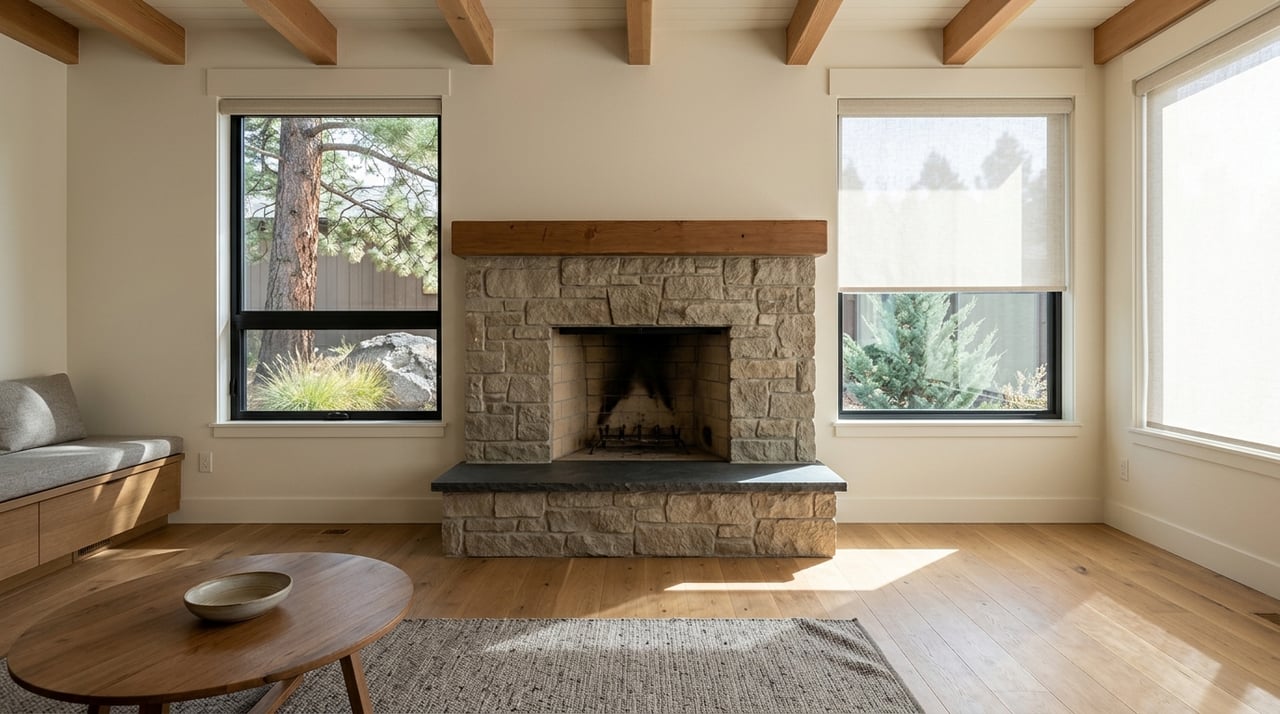
First Time Homebuyer in Hot Springs: Your Local Guide
June 25, 2026
June 25, 2026
Buying your first home in Hot Springs can feel exciting right up until the details start piling up. How much can you afford, how fast do you need to act, and what local steps could affect your timeline? If you want a clearer path from renting or planning to finally getting the keys, this local roadmap will help you understand what to expect and how to prepare. Let’s dive in.
Before you tour homes, get clear on what fits your budget. Consumer guidance says many buyers are in a stronger position to buy when they have steady income, good credit, manageable long-term debt, money saved for a down payment, and room in the budget for more than just the mortgage.
That last part matters. You also need to plan for taxes, insurance, closing costs, moving expenses, and any early repairs or improvements. A realistic budget gives you confidence and helps you avoid stretching too far once you find a home you love.
Preapproval is usually the next step. A preapproval letter shows a seller that a lender has taken an early look at your finances, which can make your offer more competitive in an active market.
It is important to remember that preapproval is not a guaranteed loan. It is a tentative lender decision based on the information reviewed at that stage, so you still need to complete the full loan process before closing.
If you are a first-time buyer, South Dakota Housing may be worth a closer look. Its current guidance says you must not have owned a home in the past three years, must meet income limits, and must buy a home priced at $410,000 or less.
South Dakota Housing does not lend directly to buyers. Instead, you work through a participating lender, which means your first step is still talking with lenders about your options.
One option some buyers ask about is Fixed Rate Plus assistance. South Dakota Housing says this program offers 3% or 5% of the first mortgage loan amount as a 0% second mortgage that becomes due when you sell or refinance the home.
There may also be a tax benefit for some qualifying buyers. South Dakota Housing offers a Mortgage Credit Certificate program that can reduce federal income tax liability for eligible borrowers.
If you use a conventional mortgage product through South Dakota Housing, homebuyer education is required for at least one borrower or co-borrower. The education is free, which can make it a practical step for buyers who want more confidence before they move forward.
The Hot Springs market is modest in size, but it is active. Realtor.com market data through April 2026 shows 212 homes for sale, a median listing price of $425,000, and a median 35 days on market.
That same market snapshot showed listings rising month over month while days on market shortened. A related March 2026 overview reported a median sale price of $399.5K, with inventory and days on market both down from the prior month.
What does that mean for you as a first-time buyer? In practical terms, you may not have the luxury of waiting too long once a home that fits your needs appears.
A clear price range, a current preapproval, and a short list of preferred areas can help you act faster without feeling rushed. That kind of preparation is especially helpful when homes are moving in weeks instead of sitting for months.
Not every first-time buyer in Hot Springs will use the same loan type. If you are looking outside the city core or considering a more rural property, it may make sense to ask a lender whether a USDA-sponsored loan could fit your situation.
If you are shopping for acreage, there are extra details to understand. South Dakota Housing says it can finance the residence and the land reasonably needed for livability, but the land cannot provide income, the property cannot be subdivided in the future, and outbuildings cannot be financed with mortgage proceeds.
Those rules can affect how you shop and what properties truly fit your financing plan. It is much easier to sort that out early than after you are emotionally invested in a property.
When you find the right home, speed matters, but so does protection. Consumer guidance recommends making your offer contingent on financing and on a satisfactory inspection.
Those contingencies can protect you if your loan falls through or if the inspection uncovers serious issues. Without them, you could end up in a much riskier position.
After your offer is accepted, compare official Loan Estimates from multiple lenders if you can. A preapproval gets you in the door, but the Loan Estimate is the document that helps you compare actual loan terms and costs.
Once you are under contract, move quickly on inspections. Consumer guidance recommends scheduling the inspection as soon as possible, using an independent inspector, and understanding that an inspection is different from an appraisal.
The inspection is for you. It helps you better understand the condition of the home and whether there are repairs or concerns that need attention before closing.
If possible, attend the inspection in person. Walking through the findings with the inspector can help you understand what is routine, what may need monitoring, and what might require negotiation.
If the inspection reveals major issues, you may be able to ask for repairs or credits. If your contract includes an inspection contingency, you may also be able to cancel without penalty if the property condition is not satisfactory.
For buyers in the Hot Springs area, radon testing is a smart extra step. South Dakota DANR says radon is radioactive, colorless, odorless, and tasteless, and that maps are not a substitute for testing a specific house.
That is why testing matters so much. You cannot see or smell radon, so the only way to know the level inside a home is to test it.
DANR also notes the EPA action level is 4 pCi/L, and the agency currently offers 500 free radon test kits to residents. For a first-time buyer, that makes radon testing a practical part of the inspection period, not an afterthought.
Closing is the final stretch, but there are still important steps to watch. Consumer guidance says you must receive the Closing Disclosure three business days before closing, giving you time to review your final loan terms and costs.
You may also be able to shop for some closing-service providers, such as title insurance and settlement services. Comparing options may help you reduce some of your closing expenses.
In Fall River County, the Register of Deeds is the official county record keeper for documents such as deeds, mortgages, easements, covenants, plats, contract for deeds, and assignments. The office also states that staff cannot provide legal advice and that there are no searchable records online.
That local detail can matter if you are trying to verify records or understand part of the title process. Knowing that some information is not available through an online search can help set expectations and keep your transaction moving.
First-time buyers are often focused on the down payment and monthly payment, but local fees and tax timing deserve attention too. Fall River County’s recording fee schedule lists many common recorded documents at $30 per document for the first 50 pages.
For deeds involving consideration, the county also lists a transfer fee of $0.50 per $500 of value. While buyers do not always pay every closing-related fee directly, it helps to understand the local cost structure ahead of time.
You should also know how property taxes work in the county. Fall River County says tax notices are normally mailed around January 1 once taxes are loaded, and real estate tax payments are due on the last working day of April and October.
Even if your mortgage company handles tax payments through escrow, the county says tax notices are still sent to taxpayers of record. It is one more reminder that homeownership comes with ongoing paperwork and budget items beyond the loan itself.
A fixed-rate mortgage can bring stability, but your total monthly housing cost can still change over time. Consumer guidance notes that taxes and homeowners insurance can change, which can affect your monthly payment if those items are escrowed.
That is why it is wise to leave breathing room in your budget instead of buying at the absolute top of what a lender approves. A little margin can make homeownership feel a lot more comfortable.
First-time buyers usually need more than a list of homes. You need help connecting financing, timing, inspections, local records, and negotiation into one smooth plan.
In a market like Hot Springs, where inventory is active and homes may move within weeks, local guidance can help you stay organized and ready. That includes understanding how to line up preapproval, when to schedule inspections, how to approach radon testing, and what county-level steps may affect closing.
A relationship-first local brokerage can also help you stay focused on properties that match your goals, whether you are buying your first in-town home, looking just outside the city, or exploring a property with land. The process feels a lot more manageable when you have steady guidance from people who know the Black Hills market.
If you are getting ready to buy your first home in Hot Springs, Joel Hawkins can help you build a plan, understand your options, and move forward with confidence.
Stay up to date on the latest real estate trends.


We are committed to guiding you every step of the way—whether you're buying a home, selling a property, or securing a mortgage. Whatever your needs, we've got you covered.

Address 106 S Chicago St Hot Springs SD 57747