Custer State Park Property Buying Tips for Custer Acreage
May 28, 2026
May 28, 2026
If you are thinking about buying land near Custer State Park, you are not just shopping for a homesite. You are choosing a rural property lifestyle shaped by access roads, utility details, wildlife, fire rules, and the realities of owning acreage in the Black Hills. The good news is that with the right due diligence, you can buy with more confidence and fewer surprises. Let’s dive in.
Buying near Custer State Park is not quite the same as buying in a typical residential neighborhood. The park spans 71,000 acres and stays open year-round, with recreation ranging from hiking and biking to fishing, horseback riding, camping, and scenic drives. That means nearby land often appeals to buyers looking for privacy, outdoor access, or a second-home setting rather than a simple in-town commute.
That recreation focus also brings a different rhythm to ownership. In this area, GPS can be unreliable, scenic drives may close because of weather or other hazards, and day-to-day use is shaped by the landscape more than by suburban convenience. If you are considering acreage here, it helps to think beyond the lot lines and picture how the property works in every season.
One of the biggest mistakes acreage buyers make is assuming that "no zoning" means no rules. In Custer County, there is currently no countywide zoning or building code, but Ordinance #2 still governs subdivision and land use, wastewater, road requirements, drainage, flood damage prevention, and related approvals. In practical terms, that means you still need to confirm what can be built and what approvals may be required.
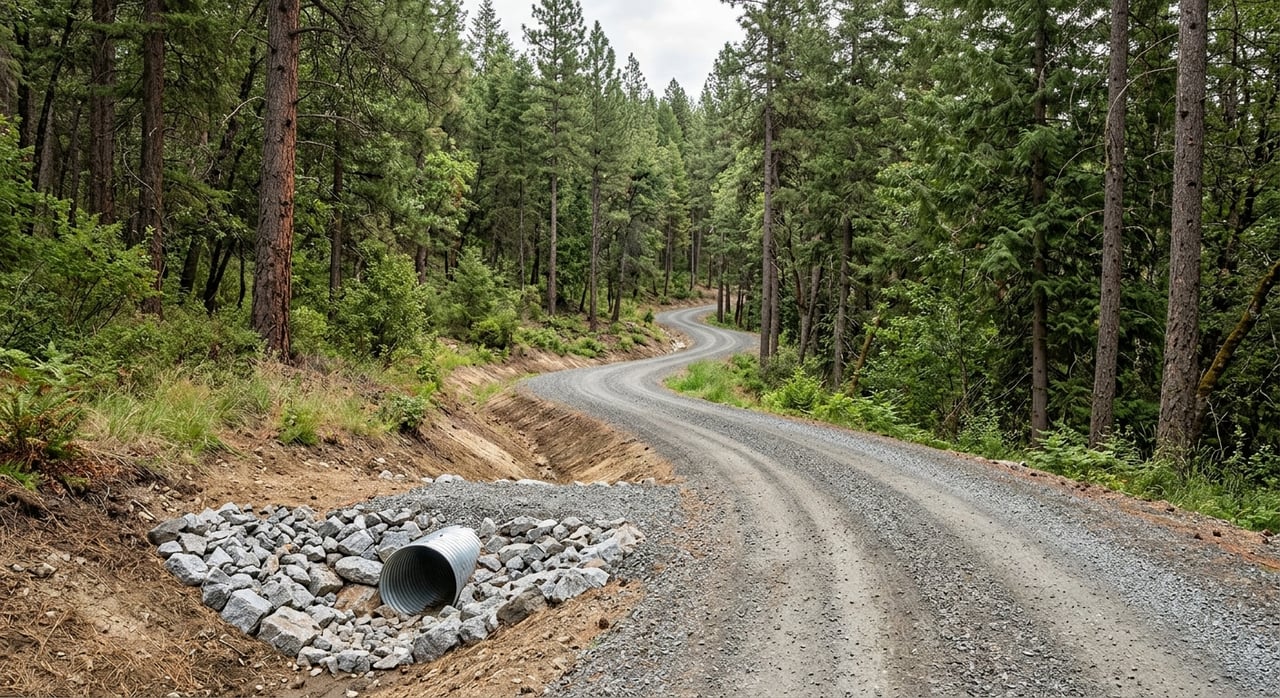
For new construction, access is a major first step. Custer County requires proof of ownership and an Approach Permit before building can begin, and the approach must be built to county specifications. The county also states that a 911 address is issued only after that approach is completed and finalized.
Ordinance #2 adds another important detail. A grading permit must be approved before building an approach that connects a private access road or driveway to a public road, and building permits, wastewater permits, and 911 addresses cannot be issued until that approval is in place. If you are planning to build, this is one of the first process checks to make.
Before you move forward on a parcel, make sure you understand:
The county Highway Department maintains about 400 miles of gravel road and 5 miles of asphalt. It also handles winter snow and ice removal and summer dust control, while noting that county governments do not provide the same service level you might expect in a city. That matters when you are weighing convenience against privacy.
With rural land, what is recorded can be just as important as what you can see. The Custer County Register of Deeds is the county’s primary record-keeping office for land transactions, and subdivision materials may include covenants, agreements, and other development documents. Those records can affect access, use, and future plans for the property.
Private rights-of-way deserve close attention. Under Ordinance #2, cluster subdivision private rights-of-way are for residents, guests, emergency responders, government employees, and service vehicles, and they may not be gated or otherwise obstructed. Utility easements are also part of the county subdivision framework, so it is wise to understand where utility access may cross the parcel.
County GIS is another useful part of your due diligence. Because the GIS office manages parcel, road, and 911-address data, mapping is not a minor box to check. It is part of confirming how the property functions on the ground, especially when boundaries, roads, and emergency access all matter.
Utility service near Custer is not something you should assume based on a nearby house or a listing description. South Dakota consumer guidance notes that electric customers may be served by a municipal, cooperative, or investor-owned provider. In the Custer area, Black Hills Electric Cooperative is headquartered in Custer and is listed by the state Public Utilities Commission as an electric cooperative, but you should still verify the exact serving utility for the parcel you want to buy.
Tree cover can also affect service reliability. Black Hills Electric states that trees are a major cause of outages in its wooded service territory, that it trims trees from rights-of-way regularly, and that brush cleanup after trimming is the property owner’s responsibility. On a heavily wooded lot, this becomes part of ongoing ownership and maintenance.
Water service also varies by property. State consumer guidance notes that water suppliers differ by area, which means acreage buyers should confirm whether a parcel is served by a provider or will rely on a private well. These details can shape both your upfront costs and your day-to-day use of the land.
Even without countywide zoning, septic and wastewater rules are very real in Custer County. The county requires a wastewater disposal permit before installing or replacing an individual or small on-site system. It also requires percolation-test results, state-certified installers for septic work, and inspection approval before the system can be used.
That means septic feasibility should be part of your early investigation, not a last-minute item. A beautiful parcel can still be a poor fit for your plans if the site work, soils, or system requirements do not line up with your budget and timeline.
Wells deserve the same level of care. South Dakota requires a water sample for each new domestic well drilled in the state, submitted to the state lab or another approved lab. The state also notes that licensed well drillers can help plug abandoned wells, which is useful if you are looking at older rural property with a longer history.
As you evaluate acreage, try to confirm:
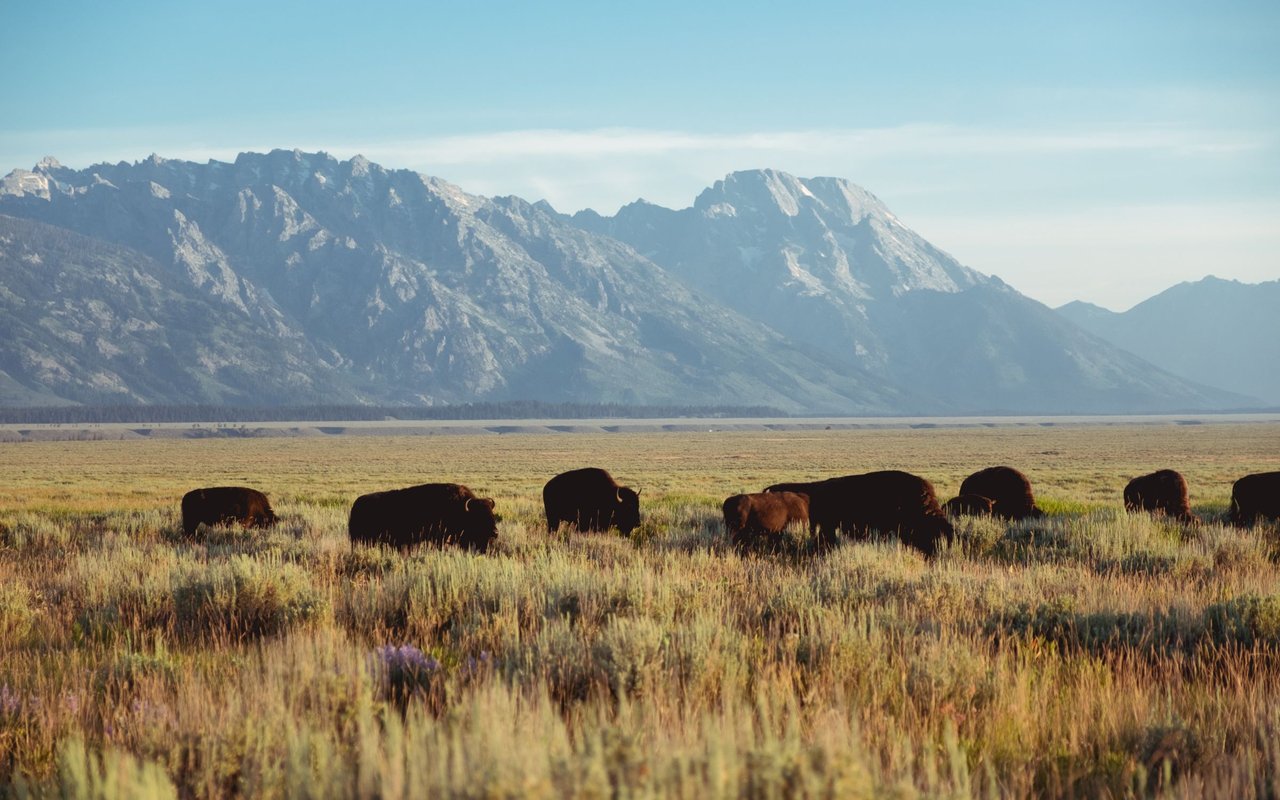
Living near Custer State Park means recreation is close by, but it also means wildlife awareness is part of normal ownership. Park rules state that visitors must stay in vehicles or at least 100 yards from bison, elk, and other animals. Feeding or disturbing wildlife is prohibited, and pets must be leashed.
Those rules apply within the park, but they also help frame the local environment around it. If you are buying nearby acreage, you are entering a landscape where wildlife movement, outdoor safety, and responsible land use matter year-round. That can be part of the appeal, but it should also shape how you think about fencing, pets, outdoor storage, and daily routines.
The park also has its own use rules that differ from private property. Open fires are limited to designated grates in established campgrounds and day-use areas, camping is limited to designated campgrounds, and trail rules vary between the park and Black Elk Wilderness. The park trail guide notes that trails are marked with blue diamonds, and some ranges and walk-in areas prohibit stock while Black Elk Wilderness uses different rules.
Fire awareness is a practical part of owning land in the Black Hills. The Custer County Sheriff’s Office notes that burn bans and restrictions can be numerous and changing across the Black Hills, Buffalo Gap National Grasslands, Custer State Park, Wind Cave National Park, and Jewel Cave National Monument. The county has also stated that broader wildland-fire rules can remain in effect even when a local burn ban is rescinded.
For buyers, that means fire planning should not wait until after closing. You will want to understand seasonal restrictions, how burn rules are communicated, and what routine property maintenance may help reduce risk. This is especially important on wooded acreage where tree cover, access, and open space all affect how the land functions.
Owning land near Custer often means taking a more hands-on role in maintenance. Custer County’s Weed & Pest Department reminds landowners that they are responsible for controlling local and state noxious weeds and declared pests. The department also offers cost-share assistance for herbicide treatment.
This may not be the first thing buyers think about, but it should be on the list. If you are purchasing a larger parcel, especially one with open meadow ground or a mix of timber and pasture, weed management can become a recurring seasonal task. It is one more reason to look at acreage as a lifestyle choice as much as a real estate purchase.
When you look at land and acreage near Custer State Park, the goal is not just finding a scenic parcel. The goal is finding a property that supports the way you want to use it, whether that means building, creating a second-home retreat, holding land for the future, or simply enjoying Black Hills space and privacy.
A smart buying strategy usually starts with the basics that affect function:
When those pieces are clear, the rest of the decision becomes easier. You can compare properties based not just on views or acreage count, but on how well each parcel truly fits your goals.
Buying land in the Custer area can be incredibly rewarding, but it pays to go in with local insight and a careful process. If you want help evaluating acreage, sorting through access questions, or narrowing down the right fit in the southern Black Hills, Joel Hawkins is here to help with steady, local guidance.
Stay up to date on the latest real estate trends.
We are committed to guiding you every step of the way—whether you're buying a home, selling a property, or securing a mortgage. Whatever your needs, we've got you covered.
Address 106 S Chicago St Hot Springs SD 57747