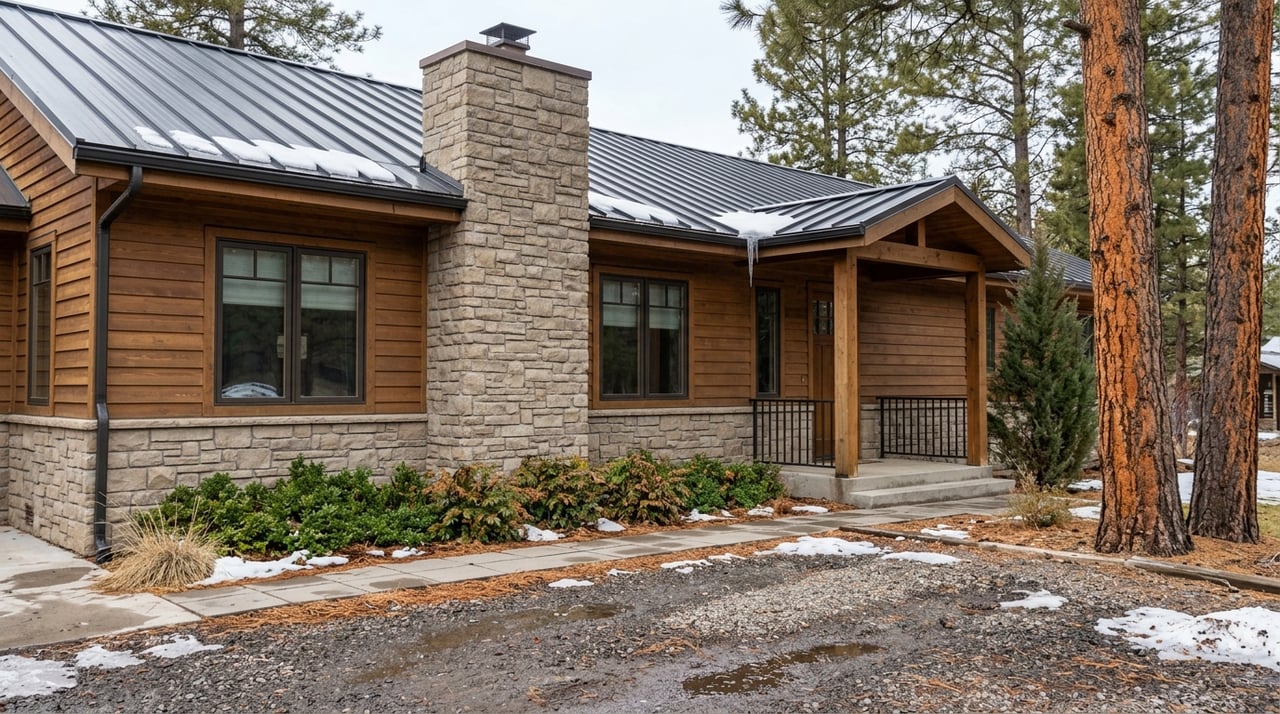
How Custer SD Real Estate Seasons Shape Your Search
July 2, 2026
July 2, 2026
If you are planning to buy in Custer, timing can shape your whole experience. In this market, the season affects more than the weather. It can change road access, travel plans, showing conditions, and even how a property feels in person. Understanding those patterns can help you tour smarter, plan ahead, and feel more confident when the right home or land opportunity shows up. Let’s dive in.
Custer real estate tends to move with a different rhythm than many year-round city markets. Weather, tourism, and access all play a bigger role here, especially for cabins, acreage, and properties near major scenic areas.
The current market snapshot shows why timing still matters. Realtor.com reports a $709,000 median listing price in Custer County, 207 active listings, and a median 55 days on market, while Redfin’s May 2026 sold-home data for Custer city show a $548,000 median sale price and 77 days on market. These figures are from different geographies and different data sets, so they are not a direct comparison, but together they suggest that buyers should be prepared and patient at the same time.
A major seasonal driver is Custer State Park. Annual visitation rose from 1.86 million in 2015 to 2.30 million in 2024 and 2.35 million in 2025, with traffic climbing sharply in April and May, peaking in July, and staying busiest from June through September. That seasonal wave affects lodging, road traffic, property tours, and how busy the area feels during a home search.
Winter can appeal to buyers who want less crowding and a calmer touring experience. From November through February, Custer State Park sees its lowest visitation, which can make it easier to move around town and schedule showings without peak-season traffic.
That said, winter showings come with more logistics. NOAA normals for Custer show a January mean temperature of 26.6°F and annual snowfall of 57.9 inches, so access, plowing, and ongoing maintenance become more important than summer curb appeal. If you are touring in winter, ask clear questions about snow removal, heating systems, winterized features, and year-round access.
Road conditions also matter more this time of year. Needles Highway closes with the first snow of the season and typically does not reopen until April 1 or later, and Iron Mountain Road can also close depending on conditions. If you are looking at property near scenic drives or planning to explore the surrounding area, it is wise to verify access the day you travel.
Spring is often the transition point when Custer starts to feel easier for many buyers. April averages 40.9°F, May averages 50.8°F, and park visitation begins rising sharply as conditions improve.
Spring can be a practical time to tour because road access starts opening up again. Needles Highway generally reopens around April 1 if conditions allow, which can make travel easier and expand the number of properties you can comfortably visit in one trip.
Still, spring is not always simple. It is the wettest stretch of the year, so thaw, mud, runoff, and soft ground can affect both travel and property presentation. If you are considering land, acreage, or a rural home, spring can actually be useful because it shows you how the property handles moisture and seasonal transition.
Summer is the busiest tourism season in Custer, and that has a direct impact on buyers. July averages 79.7°F for highs and 56.3°F for lows, and this is when the area sees its largest flow of visitors.
For many buyers, summer is the easiest season to evaluate lifestyle fit. Access is generally better, outdoor spaces are more visible, and it is simpler to experience decks, views, acreage, outbuildings, and recreational proximity the way you might actually use them.
The tradeoff is activity. Custer State Park is busiest from June through September, and July alone draws more than 420,000 visitors. If you are traveling in summer, build extra time into your schedule and expect lodging to require early planning.
Fall can be an appealing shoulder season for buyers who want decent access without peak summer volume. September averages 58.5°F and October averages 44.7°F, so early fall can still be comfortable for property tours.
This season also brings major local events. The Buffalo Roundup and Arts Festival in late September draws more than 20,000 spectators, which can temporarily increase traffic and demand for travel accommodations.
By October, seasonal shifts begin to matter again. Visitor-center hours shorten, some services scale back, and weather can begin changing road conditions. Fall can be a strong time to visit, but it still pays to double-check travel details and local access before your trip.
For the easiest travel and broadest property visibility, spring through early fall is usually the simplest time to shop in Custer. Roads are generally more accessible, tourism-related services are more available, and properties often show more of their outdoor features.
If you prefer quieter showings, late fall or winter may suit you better. Just remember that reduced traffic can come with reduced access, fewer amenities, and more questions to answer before you tour.
For cabins, rural homes, acreage, or park-adjacent property, seeing the property in more than one season can be especially helpful. A place that feels ideal in July may present very differently in January or during spring runoff, and that context can lead to a better long-term decision.
In Custer, buying often starts with a trip plan. That is especially true if you are coming from another part of South Dakota or out of state.
Summer and event-season lodging can fill early. Custer State Park allows reservations one year in advance, and the state notes that most summer weekend campsites and cabins are reserved within a week of reservations opening. If your property search lines up with summer weekends or late-September events, booking early can make your visit much smoother.
Early August can also bring another traffic spike tied to the Sturgis Motorcycle Rally. The South Dakota Department of Revenue reported that the 2025 rally generated $412,436 in tax collections from vendors in the Southern Black Hills, including Custer, Hill City, and Keystone. If you plan to tour during that period, allow extra time for travel and confirm your accommodations well ahead of arrival.
Seasonal markets reward preparation. Even with 207 active listings in the county and a 55-day median days on market, that does not mean the right property type will always have many close substitutes when you are ready to act.
If you are buying in Custer, it helps to be ready in a few practical ways:
This kind of preparation is especially valuable if you are searching for vacation homes, second homes, land, or homes with acreage. In those categories, seasonal visibility and access can shape the decision just as much as price or square footage.
If you are shopping for a home in or near Custer city, your seasonal focus may be more about travel convenience and market timing. Spring through fall can make it easier to compare more listings in one trip and see landscaping, outdoor areas, and neighborhood surroundings clearly.
For cabins and second homes, seasonality becomes more personal. You are not just buying a structure. You are buying an experience, and that experience may feel very different between peak summer and winter.
With land and acreage, seasons can reveal important details. Spring may show runoff or muddy access points, summer can make layout and views easier to judge, and winter can highlight road maintenance and ease of entry.
For many Black Hills buyers, that local context is what turns a good purchase into a confident one. It helps you think beyond the listing photos and understand how the property functions over time.
Custer buyers often have to balance lifestyle goals with practical details. You may be comparing year-round living, a second-home purchase, or land for future plans, all while working around weather, road access, and seasonal demand.
That is where local market knowledge matters. A team that understands the broader Black Hills can help you build a search strategy around the season, your property goals, and the timing that fits your schedule best.
Whether you are looking for a home in town, a cabin retreat, or acreage outside Custer, having a clear local perspective can make the process simpler. If you want help planning your search in Custer or anywhere in the southern Black Hills, connect with Joel Hawkins to schedule a free consultation.
Stay up to date on the latest real estate trends.
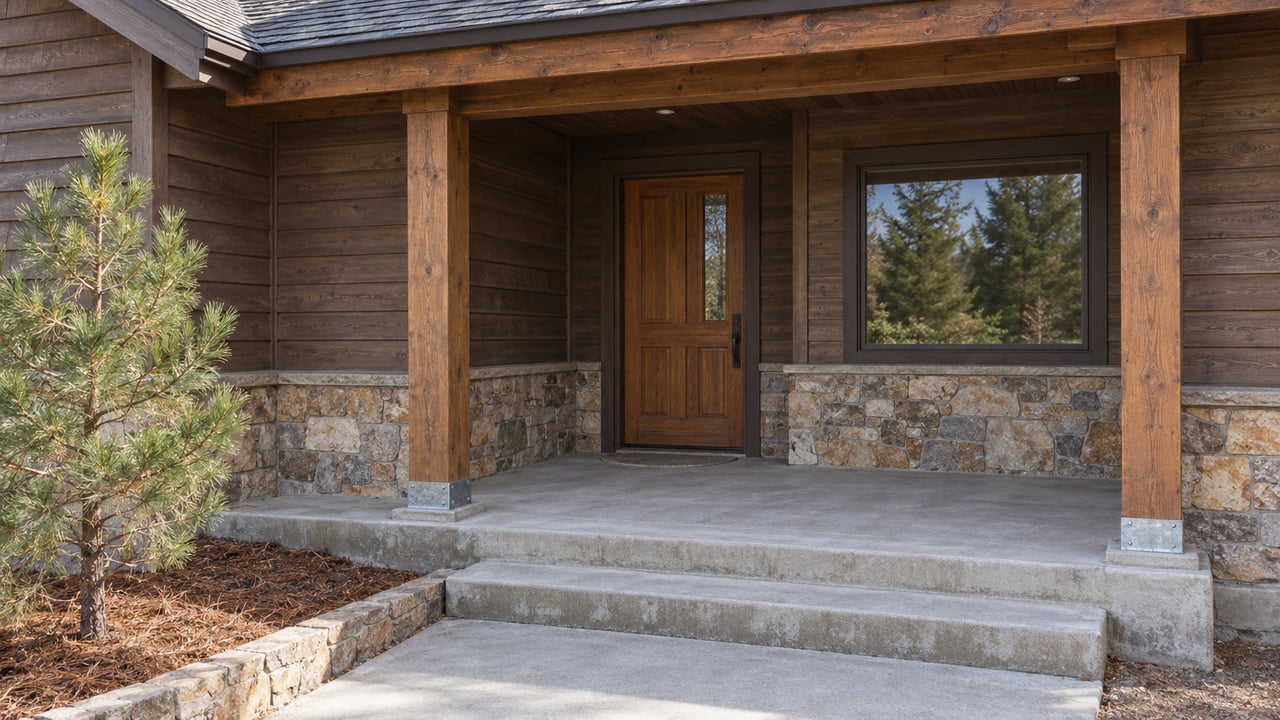
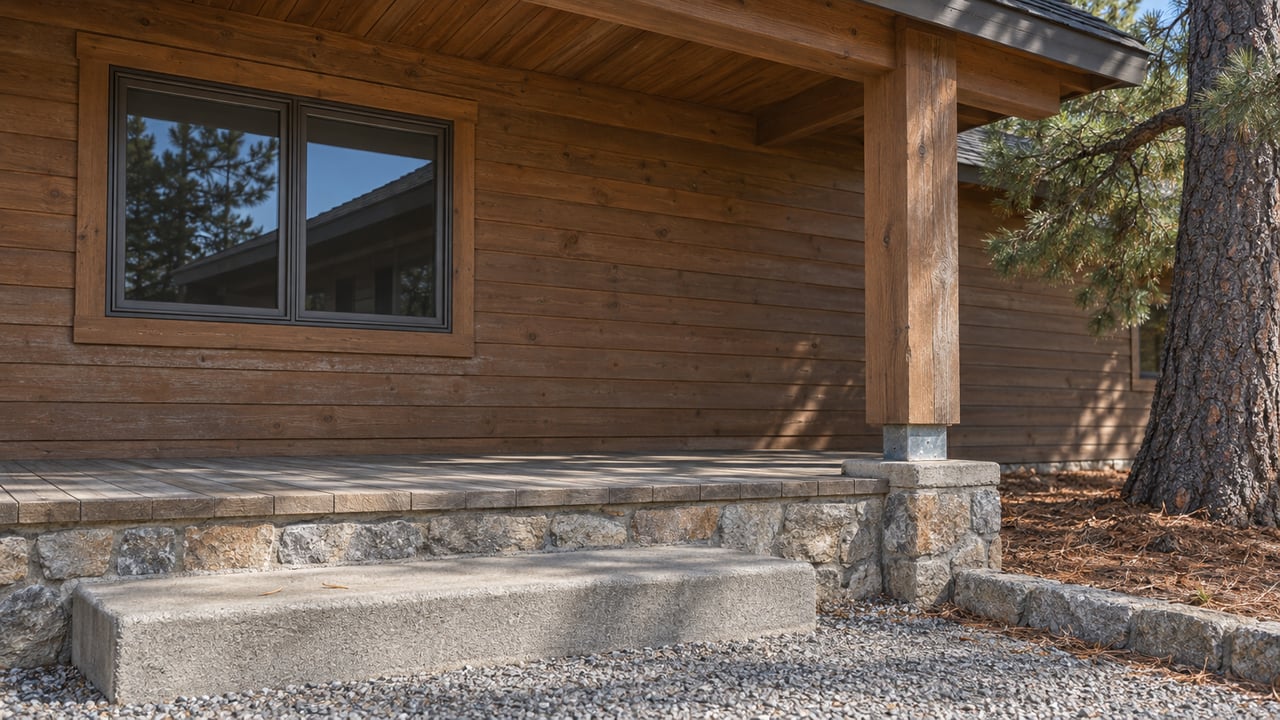
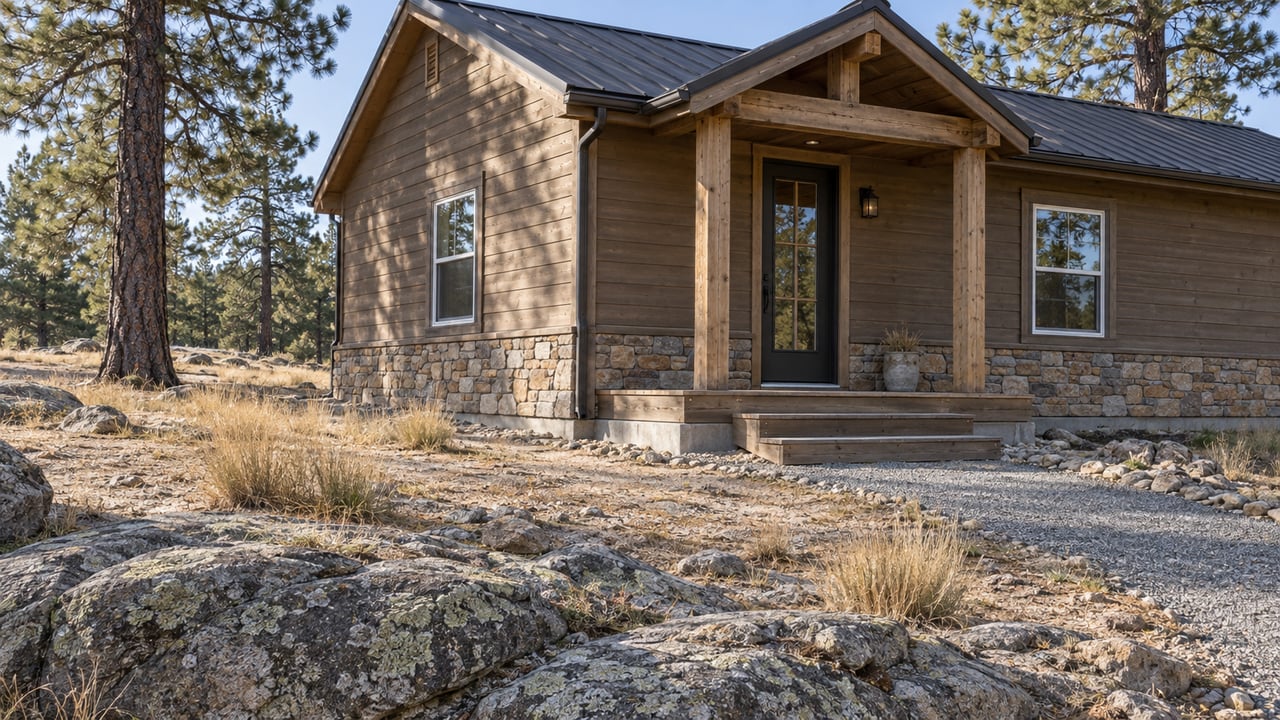
We are committed to guiding you every step of the way—whether you're buying a home, selling a property, or securing a mortgage. Whatever your needs, we've got you covered.
Address 106 S Chicago St Hot Springs SD 57747