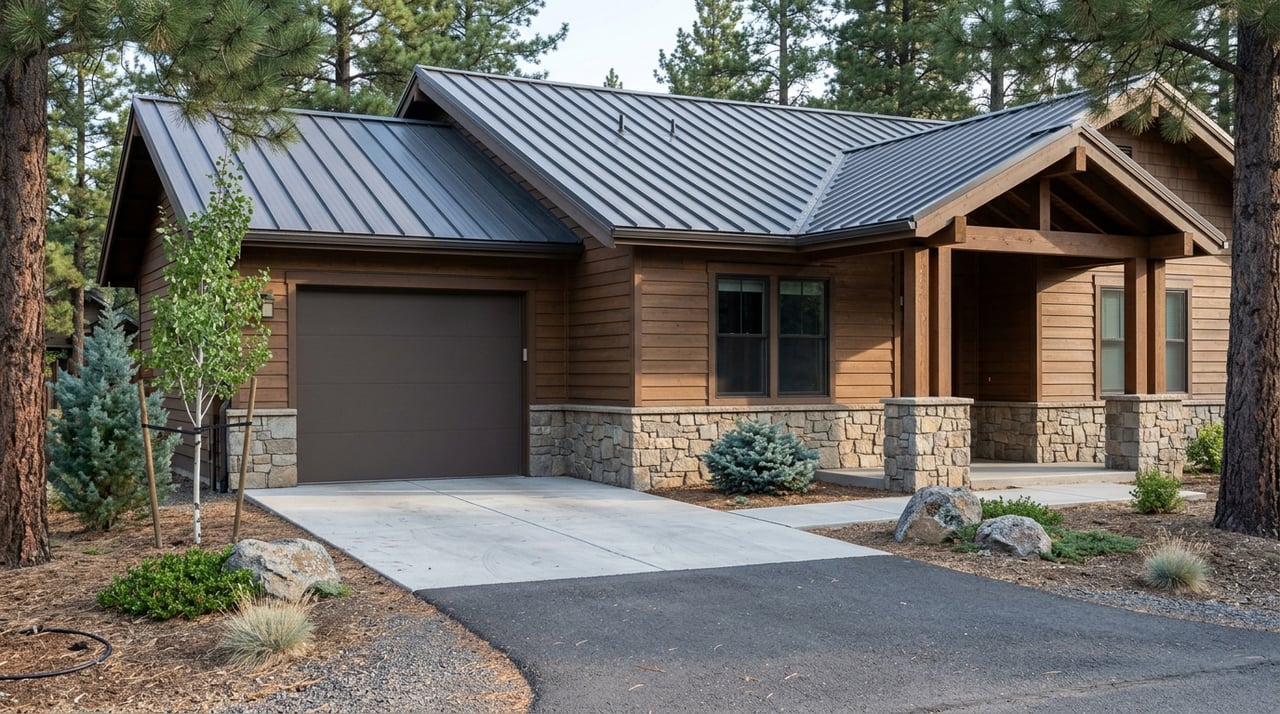
Custer New Construction Homes vs Existing: How to Decide
June 18, 2026
June 18, 2026
Trying to choose between building new and buying an existing home in Custer? It is a big decision, and in this market, the answer often comes down to more than style or age. You need to think about land readiness, permits, budget, timeline, and the condition of older homes. This guide will help you compare both paths so you can make a confident move in Custer. Let’s dive in.
Custer County is a small, mostly owner-occupied market. In 2024, the county had 5,912 housing units, an 85.6% owner-occupied rate, and a median owner-occupied home value of $327,200.
That local housing picture matters when you start comparing new construction to existing homes. A smaller housing supply can make every option feel more competitive, especially when some homes are used seasonally or recreationally rather than year-round.
The City of Custer also has an older housing stock. A 2023 county housing study estimated the median year built for owner-occupied homes in Custer at 1960, and nearly 63% of owner-occupied units were built before 1980.
That means many buyers will be comparing a brand-new build against a home with history, character, and possibly repair needs. It also helps explain why existing homes remain such an important part of the local market.
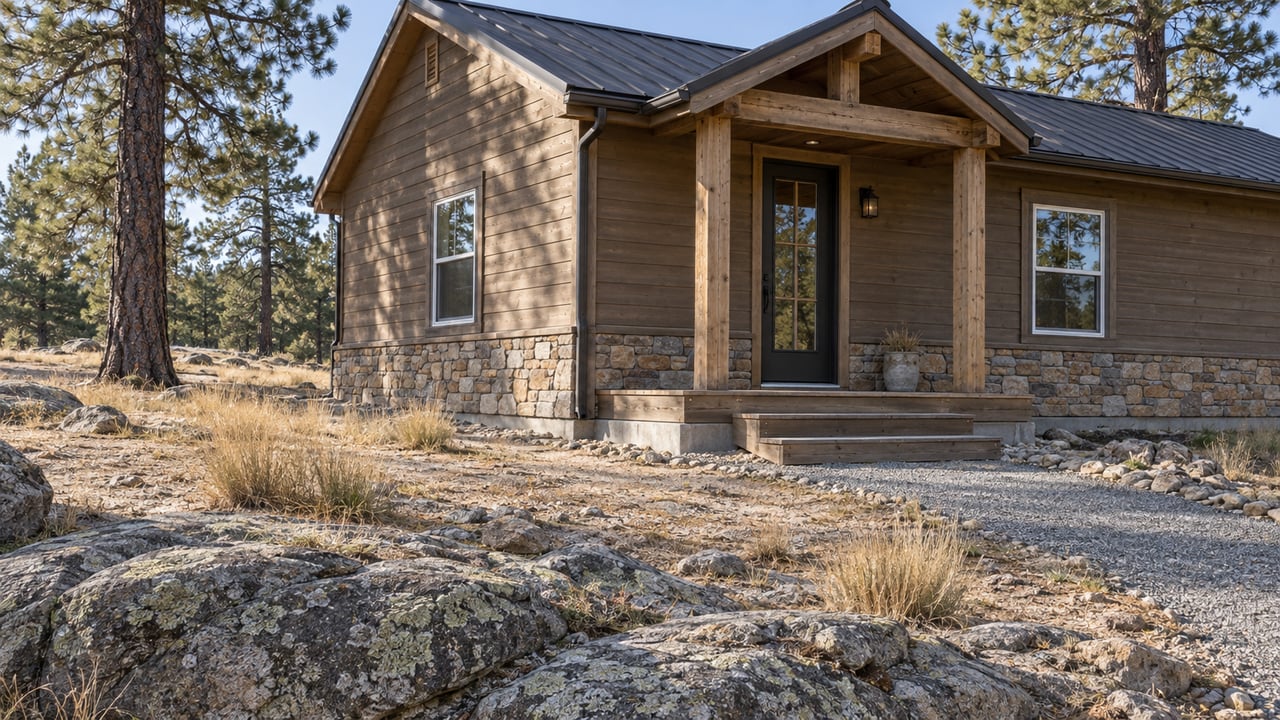
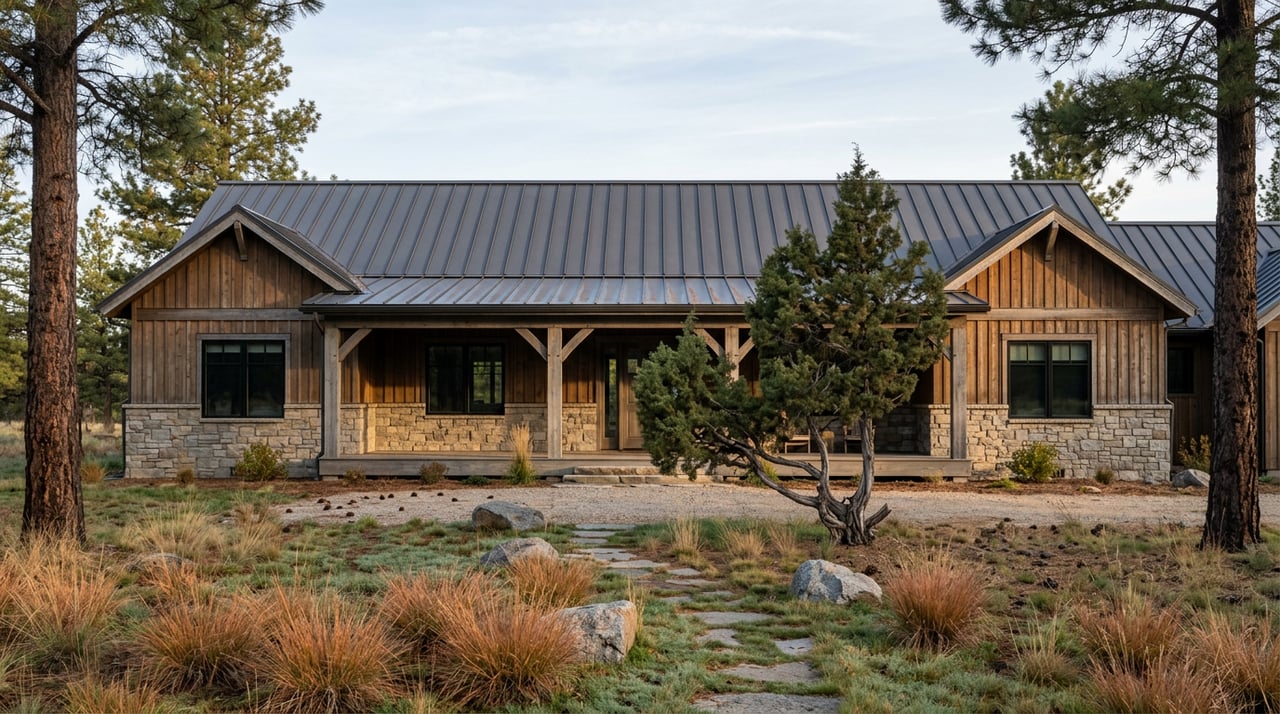
New construction gives you the chance to start fresh. If you want a specific layout, newer materials, or fewer immediate repair projects, building can be appealing.
For some buyers, that customization is the biggest advantage. You may be able to choose the floor plan, finishes, and site setup that best fit how you want to live in the Black Hills.
Another benefit is that many newly built homes come with builder warranty coverage. Coverage varies by builder, but warranties often include workmanship and materials for about one year, systems like HVAC, plumbing, and electrical for about two years, and major structural defects for up to 10 years.
In Custer, building is not only about the house itself. It is also about whether the lot is truly ready to build on.
The local housing study defines buildable lots as lots with sewer and water available. That is an important distinction because an available parcel is not always a buildable one.
If you are building inside Custer city limits, the approval process can affect your timeline. The city Planning Commission reviews items such as subdivisions, lot splits, variances, and easements, and agenda items must be submitted 20 days before the meeting.
The city also states that construction must begin within 180 days of permit issuance and be completed within one year. In practice, this can add at least a monthly review cycle before a project moves forward.
If you are building outside the city in unincorporated Custer County, the process looks different. The county says there is currently no zoning or building code, but buyers still need permits and site documentation.
Depending on the property, you may need proof of ownership, recorded access, an approach permit before construction, a wastewater permit when applicable, and a building permit for structures over 160 square feet. The county also notes that it does not inspect footings, foundations, framing, or the finished structure, while plumbing and electrical inspections are handled by the State of South Dakota.
For many buyers in the Custer area, new construction happens on rural land. Since 2020, most new home construction in the county has occurred in unincorporated areas rather than inside incorporated towns.
That trend can open up more land options, but it also adds more site-planning work. If the property is not connected to city utilities, you may need to plan for private water and septic from the beginning.
Custer County paperwork treats private well, cistern, or central water as a core site question. The county also requires a perc test when a new septic system will be installed.
South Dakota requires a licensed well driller before drilling any well or contracting to drill one. For wastewater systems, the state Plumbing Commission handles installer certification for individual and small on-site systems.
Fees can also change the budget faster than many buyers expect. Custer County’s 2026 fee schedule lists a $250 approach permit, a $500 wastewater permit, and residential building permit pricing of $100 plus $0.30 per square foot.
Inside the City of Custer, the 2026 fee schedule includes an $800 fee for a 1-inch water tap and a $300 sewer tap fee. These are just some of the upfront costs to account for before construction and finish selections begin.
Existing homes usually offer more speed and certainty. You can walk through the house, see the lot, evaluate the driveway, and get a feel for the surrounding area before you commit.
That can be especially helpful in a market like Custer, where a large share of homes were built decades ago and each property may have its own quirks. What you see on day one is often much closer to what you will actually own.
Existing homes also tend to be the main source of attainable housing in the area. The local housing study found that existing units generally sell below replacement value and will remain the main source of affordable housing in Custer County.
For buyers working within a set budget, that can be a major advantage. Instead of putting more money into land development, utility setup, and permit costs, you may be able to focus your budget on updates after closing.
The biggest trade-off with an existing home in Custer is condition. Many older homes and rentals in the area are more than 40 years old and may need rehabilitation to remain viable.
That does not mean you should avoid them. It means you should evaluate them carefully and look beyond cosmetic updates.
A strong inspection should cover items like the roof, foundation, drainage, windows, and HVAC. If the property has a well or septic system, those systems deserve close attention too.
A home warranty may also be available for an existing home, but it is different from a builder warranty. It is generally a service contract and should not be treated as a replacement for a thorough inspection.
Here is a simple way to compare the two options in Custer:
| Factor | New Construction | Existing Home |
|---|---|---|
| Timeline | Often longer due to planning, permits, and site work | Usually faster to purchase and move into |
| Upfront Costs | Land prep, permits, utility or wastewater setup can add up early | More predictable purchase path, though repairs may come later |
| Customization | Higher, especially for layout and finishes | Lower unless you renovate after closing |
| Condition | Brand-new materials and systems | Varies widely based on age and maintenance |
| Location Pattern | Much recent building has been in unincorporated county areas | More likely to find established in-town locations |
| Main Risk | Lot readiness, approvals, and infrastructure | Deferred maintenance and repair needs |
New construction may be the better fit if you want a tailored home, are comfortable with a longer timeline, and already have a parcel with verified access and utility or wastewater feasibility. It can also make sense if you are prepared for front-loaded fees and planning steps.
An existing home may be the better fit if speed matters, you want an established location, or you prefer to handle updates over time rather than manage a full build process. In Custer, existing homes also represent much of the attainable inventory.
The key is to match the property type to your priorities. If you value customization most, building may be worth the extra steps. If you value certainty most, an existing home may be the clearer path.
Before you write an offer on land or an older home, it helps to get local guidance early. In the Custer area, small details like city limits, access, water, septic, and permit requirements can shape the whole deal.
A local real estate professional can help you understand whether a property is in city limits, the ETJ, or unincorporated county land. For build projects or homes with obvious rehab needs, bringing in a builder, septic installer, or well driller early can help you spot issues before they turn into expensive surprises.
If you are weighing new construction against an existing home in Custer, a clear local strategy can save you time, money, and stress. When you are ready to talk through your options, connect with Joel Hawkins for a free consultation.
Stay up to date on the latest real estate trends.
We are committed to guiding you every step of the way—whether you're buying a home, selling a property, or securing a mortgage. Whatever your needs, we've got you covered.

Address 106 S Chicago St Hot Springs SD 57747