Custer SD Short Term Rentals: What Investors Should Know
May 14, 2026
May 14, 2026
If you are eyeing Custer for a short-term rental investment, the tourism story is easy to like. This part of the Black Hills draws steady visitor traffic, sits near major attractions, and gives guests the kind of stay many travelers already expect in the area. But strong demand alone does not make every property a good investment. You also need to understand seasonality, local rules, and which property types actually fit the market. Let’s dive in.
Custer works as a year-round basecamp in the southern Black Hills. It sits close to Custer State Park, Crazy Horse Memorial, Mount Rushmore National Memorial, and Jewel Cave National Monument, which keeps it in the middle of a major visitor corridor rather than a commuter-driven housing market.
That nearby traffic is not small. Travel South Dakota notes that Crazy Horse Memorial is just 4 miles from downtown, and Mount Rushmore is about 30 minutes north. Mount Rushmore recorded 1.85 million recreation visits in 2024, which helps show the scale of tourism moving through the region.
The biggest demand anchor is Custer State Park. South Dakota Game, Fish and Parks reported 2.3 million annual visits in 2024, with the strongest visitation running from June through September. July was the peak month, with more than 420,000 visitors.
Seasonal events add even more demand pressure. The Buffalo Roundup & Arts Festival brings roughly 25,000 people in late September, and the Sturgis Motorcycle Rally lifts traffic in early to mid-August. For you as an investor, that means Custer has real lodging demand, but much of it is tied to a clear seasonal pattern.
Custer’s lodging mix already tells you a lot about what guests expect. The local tourism inventory includes hotels, motels, lodges, camping, cabins, vacation rentals, and bed-and-breakfasts. That points to a market shaped by outdoor travel, flexible group stays, and low-density lodging rather than urban-style condo inventory.
Several official tourism listings reinforce that pattern. Rock Crest Lodge & Cabins offers lodge rooms and cabins, including some with kitchens and hot tubs. JPF Vacations offers vacation homes, ranch stays, and log homes or cabins in forested settings.
Other examples widen the competitive set even more. State Game Lodge includes 101 units made up of cabins and hotel rooms, while Black Hills Bungalows markets nine cabins with kitchens, outdoor amenities, and hot tubs. Buffalo Ridge Camp Resort adds glamping tents, teepees, treehouses, RV hookups, and camping cabins.
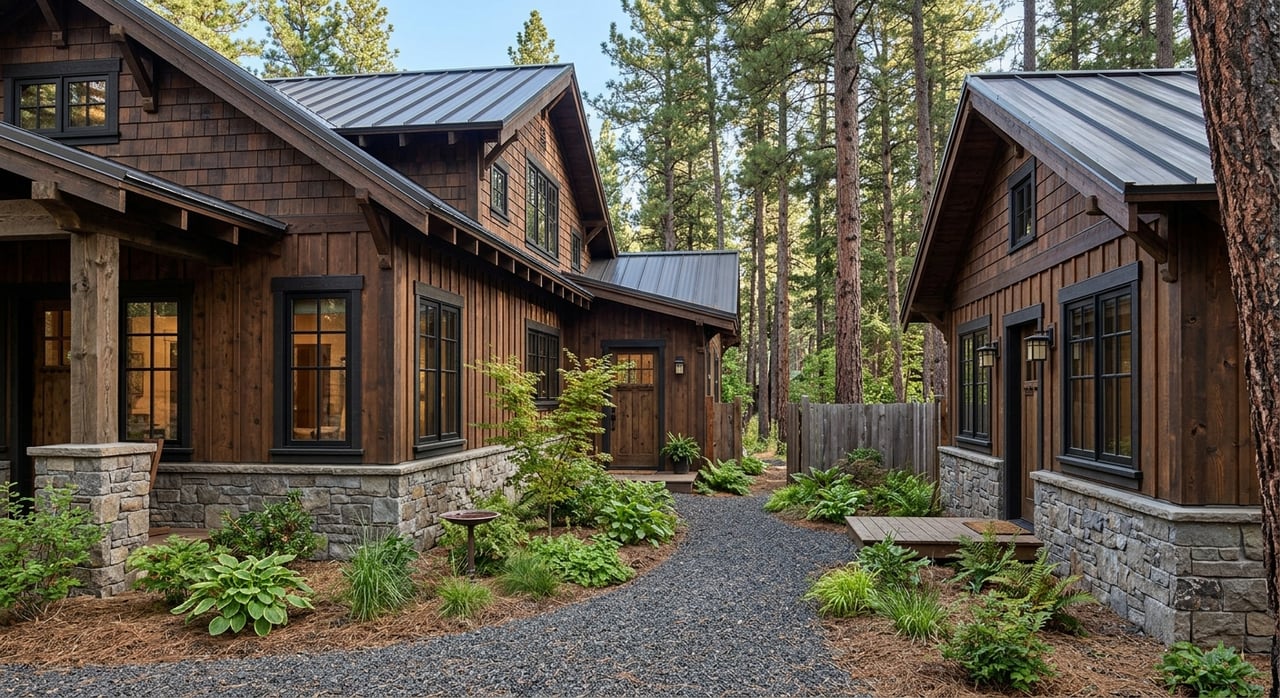
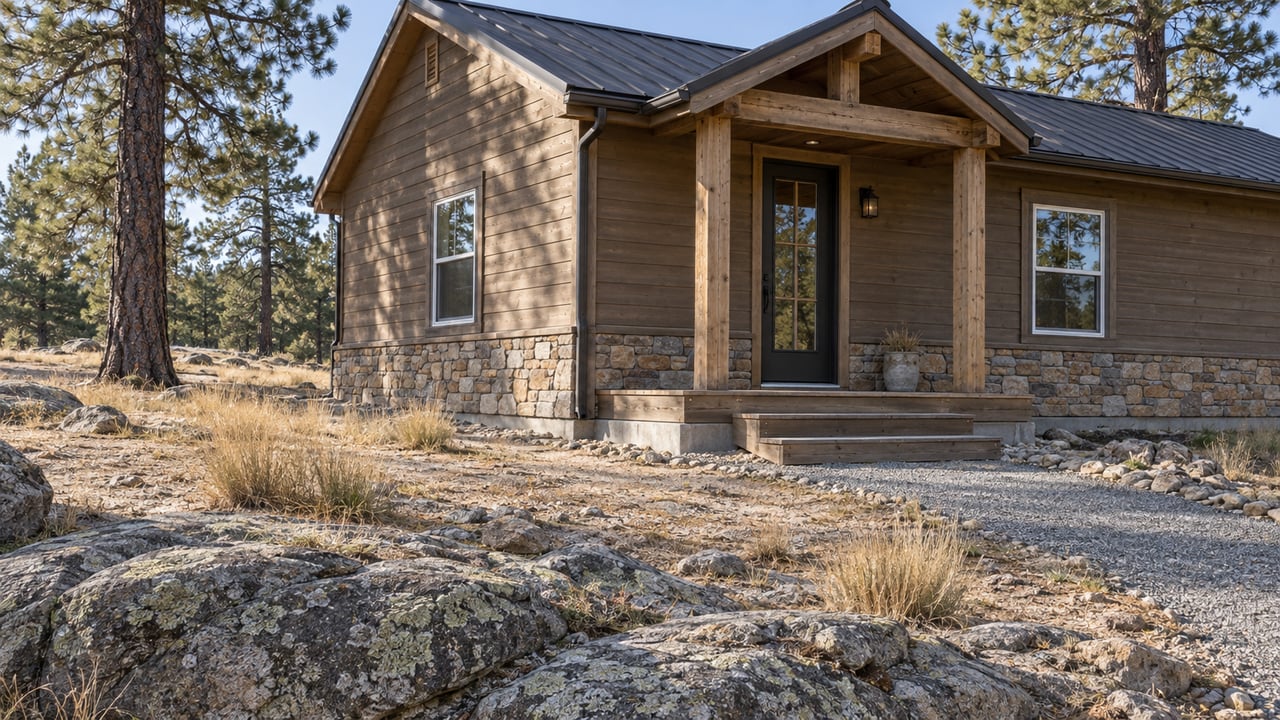
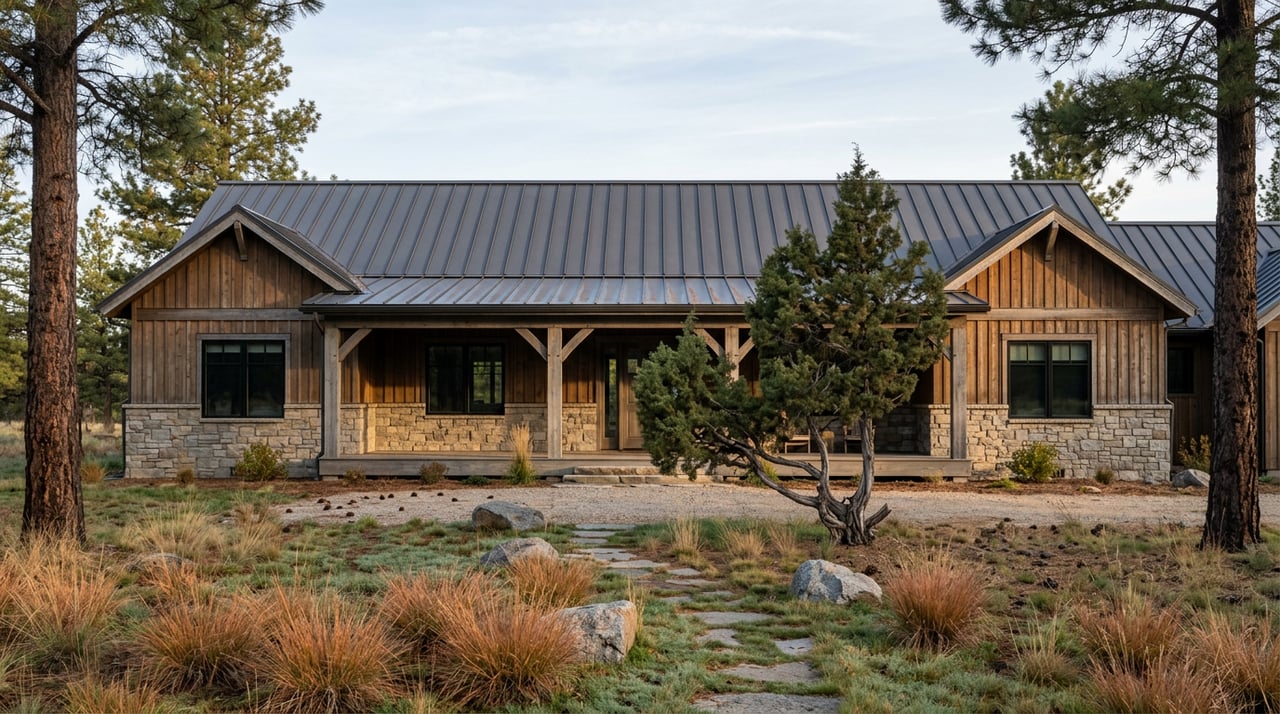
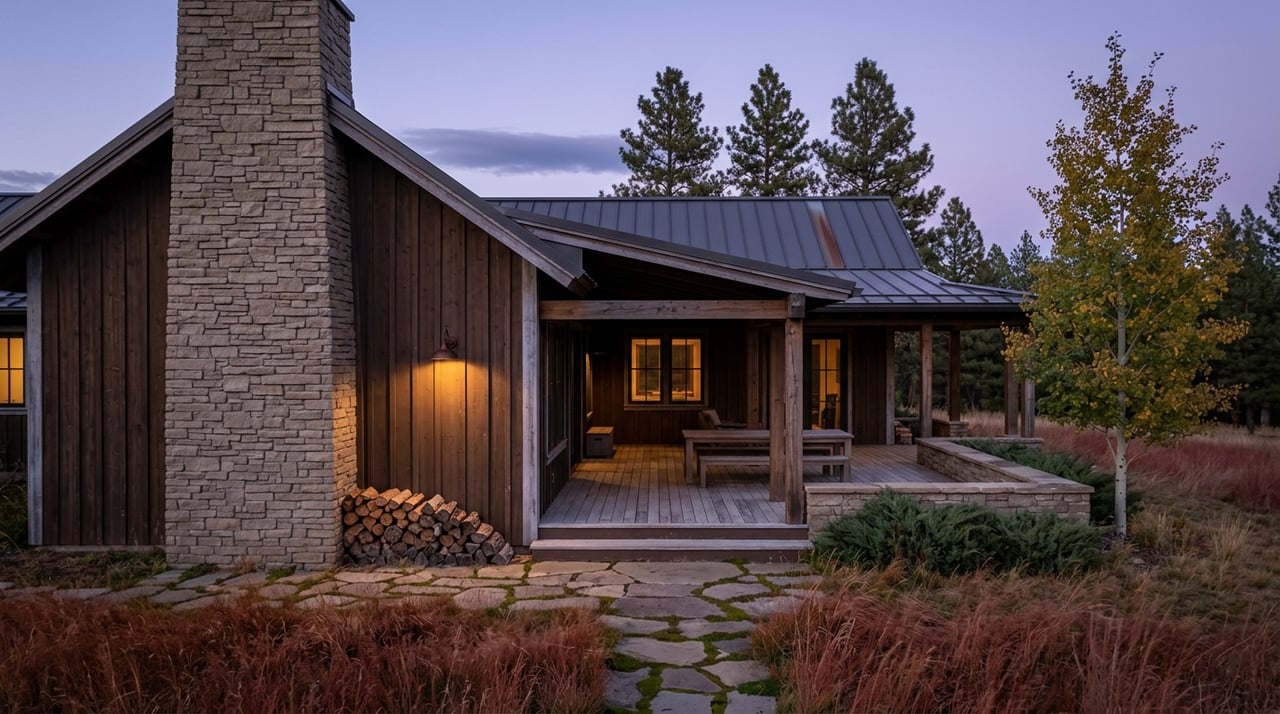
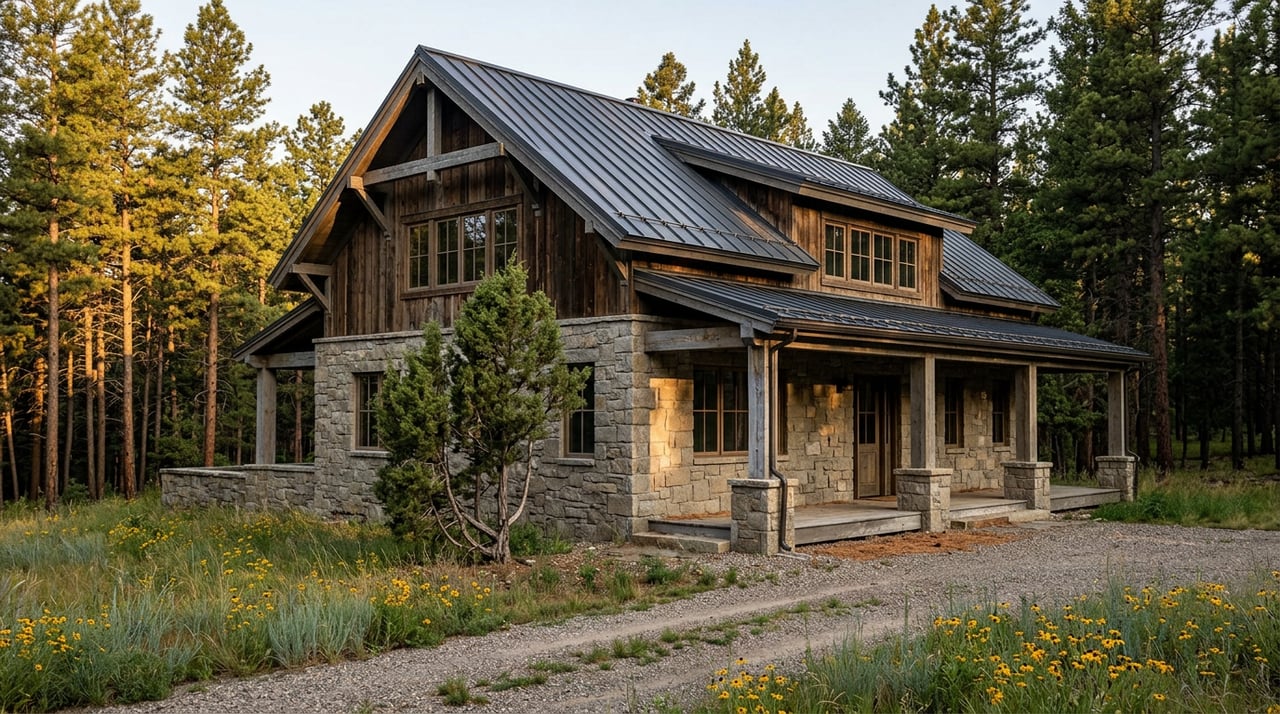
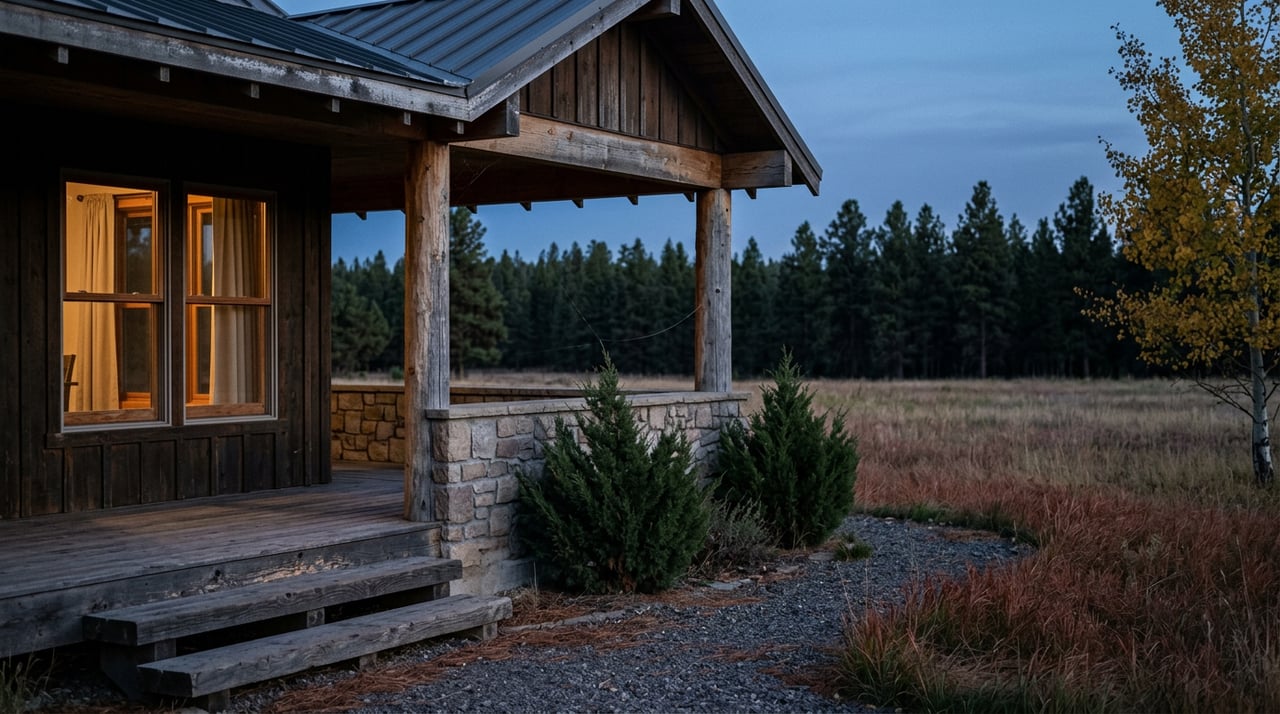
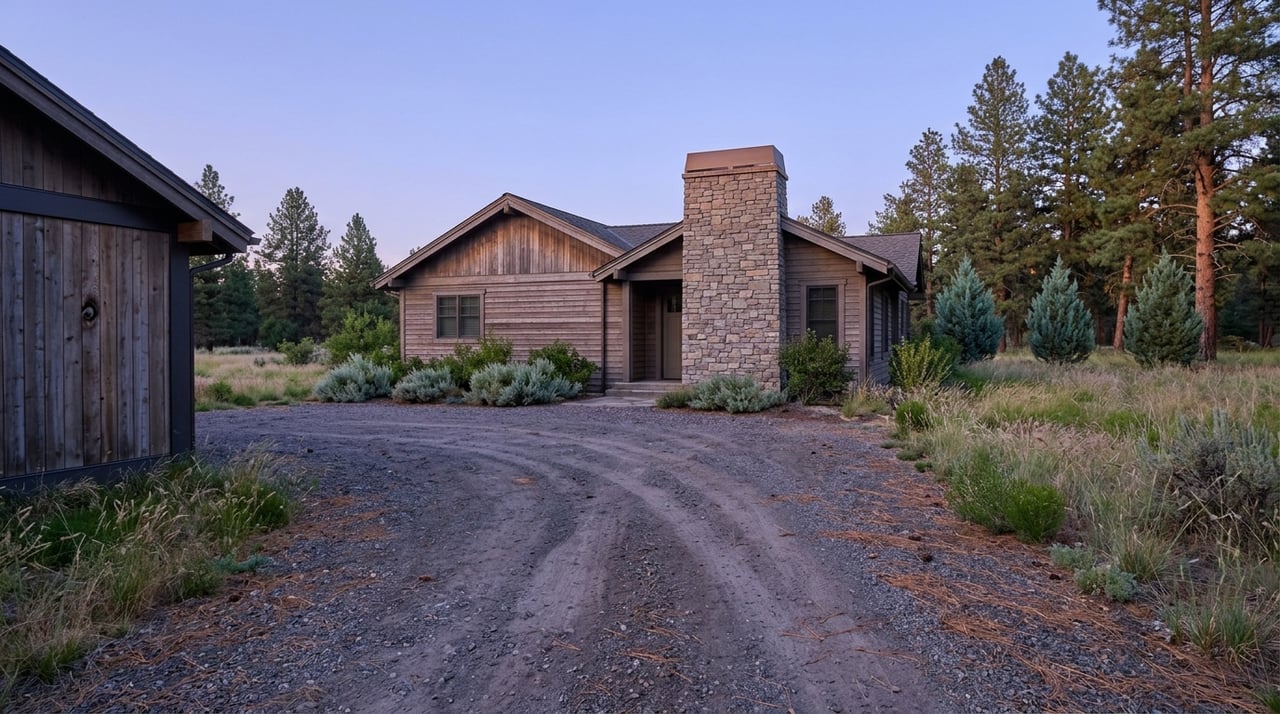
The practical takeaway is simple. In Custer, a cabin, a vacation-oriented house, or a larger property with privacy, views, kitchen space, and outdoor appeal is likely a more natural fit than a plain suburban-style product. If a property does not have standout features, you may need a stronger location or better usability to compete.
One of the biggest mistakes investors make is assuming demand stays flat all year. The research does not support that in Custer. Public, official Custer-specific short-term rental occupancy data were not readily available in the reviewed sources, so tourism visitation is the best local proxy.
That proxy shows a highly seasonal market. Custer State Park visitation is strongest from June through September, with July as the highest month. South Dakota Game, Fish and Parks also says visitation is lowest from November through February, when fewer facilities are open and outdoor activity drops.
That matters when you build your revenue assumptions. Summer may carry your strongest performance, while winter likely needs conservative underwriting. Shoulder seasons can still produce bookings, but the demand appears more event-driven than consistent.
Booking behavior also points to peak-season compression. South Dakota Game, Fish and Parks says reservations for Custer State Park can be accepted one year in advance, and summer weekend stays are often reserved within a week of the booking window opening. That suggests guests plan ahead aggressively for prime dates, which can support a well-positioned rental during the busiest months.
Summer is the headline season, but it is not the only time you may see demand. Custer also benefits from event-driven travel in spring and fall. Travel South Dakota highlights the Buffalo Roundup in late September, the Crazy Horse Volksmarch in spring and fall, and Gold Discovery Days in July.
For investors, this creates a revenue curve that likely looks uneven. You may see strong summer occupancy, a few notable shoulder-season spikes, and then a long slower stretch in winter. That is different from a market with stable year-round business travel or commuter demand.
Because of that, your business plan should not lean too heavily on annualized averages without context. It is smarter to think in seasons, weekends, and event windows. That can help you avoid overestimating winter revenue.
Before you get too far into income projections, you need to separate tourism demand from legal use. Inside Custer city limits, the municipal code is restrictive in residential areas. The city defines a short-term rental as a nightly or day-to-day rental of a structure, or part of one, for less than 30 consecutive days.
In the residential zone, only hosted short-term rentals are allowed. The principal structure, or part of it, must be the owner’s primary residence. The owner must be physically present on the nights rented, the rental area cannot exceed 80% of the habitable structure, only one hosted short-term rental is allowed per parcel, and accessory dwelling units cannot be used as hosted short-term rentals.
The code also states that boarding houses and short-term rentals that do not meet the hosted definition are prohibited in the residential district. For you, that means a whole-home nightly rental strategy inside city residential zoning should never be assumed. Zoning verification needs to happen early.
The picture may be different in unincorporated Custer County. The county’s Planning and Economic page says there is currently no zoning or building code in Custer County. The county’s permit menu instead focuses on items such as approach permits, building permits, wastewater permits, platting, section-line actions, and variances.
That may suggest more flexibility outside city limits, but it does not remove due diligence. You still need to confirm legal access, septic or wastewater capacity, and any deed restrictions or subdivision rules that could limit nightly rentals. A property can look ideal on paper and still have practical limits that affect usability.
For many investors, this location question is one of the first filters to apply. Is the property inside Custer city limits, or is it in unincorporated county area? That answer can change the investment story right away.
Tax treatment is another key part of your underwriting. South Dakota treats lodging as taxable, and the Department of Revenue says the state sales and use tax rate is 4.2%. In Custer city, there is also a 2% municipal sales tax plus a 1% municipal gross receipts tax that applies to lodging.
On top of that, South Dakota imposes a 1.5% tourism tax on lodging and certain visitor services. The Department of Revenue’s lodging fact sheet says vacation home rentals are lodging establishments, and a transient guest is someone staying fewer than 28 consecutive days.
When you combine the state, city, gross receipts, and tourism taxes, taxable transient lodging in Custer city is generally an 8.7% tax environment before platform fees and other operating costs. Stays of 28 or more consecutive days are exempt from sales, use, and tourism tax. Those details can have a direct impact on your pricing model and net income.
Custer can make sense for the right investor, but your success depends on careful screening before you buy. A strong tourism thesis only works if the property is legally usable, operationally practical, and matched to local guest expectations.
Here are some of the most important questions to work through:
These are not small details. In a market like Custer, they can be the difference between a workable investment and a property that falls short of your plan.
Custer offers a compelling tourism backdrop for short-term rental buyers. The area benefits from major nearby attractions, strong summer visitation, and a lodging culture that already supports cabins, vacation homes, and outdoor-oriented stays.
At the same time, this is not a market where you should buy first and sort out the rest later. Demand is seasonal, city rules can be restrictive, and property fit matters. The best opportunities are often the ones where location, legal use, and guest appeal all line up from the start.
If you are exploring vacation property or investment opportunities in Custer or the broader Black Hills, working with a local brokerage can help you screen properties faster and focus on options that match your goals. To start a conversation, reach out to Joel Hawkins.
Stay up to date on the latest real estate trends.
We are committed to guiding you every step of the way—whether you're buying a home, selling a property, or securing a mortgage. Whatever your needs, we've got you covered.
Address 106 S Chicago St Hot Springs SD 57747