Essential Guide to Hot Springs SD Historic Homes
March 5, 2026
March 5, 2026
Dreaming about a home with character, stonework, and a story to tell? In Hot Springs, many properties date to the late 1800s and early 1900s, with the town’s signature sandstone on proud display. If you love original details and Main Street charm, a historic home here can be a great fit. In this guide, you’ll learn how to spot key architectural styles, what local preservation rules mean for your plans, which repairs to budget for, and how to finance renovations with confidence. Let’s dive in.
Hot Springs grew during the late 19th and early 20th centuries, and that era still shapes how the town looks and feels today. The core downtown lies within a recognized historic area, and you will see a mix of commercial and residential buildings from this period. Many landmarks feature locally quarried pink, tan, or gray sandstone, which gives Hot Springs its distinctive look and is a point of pride for the community.
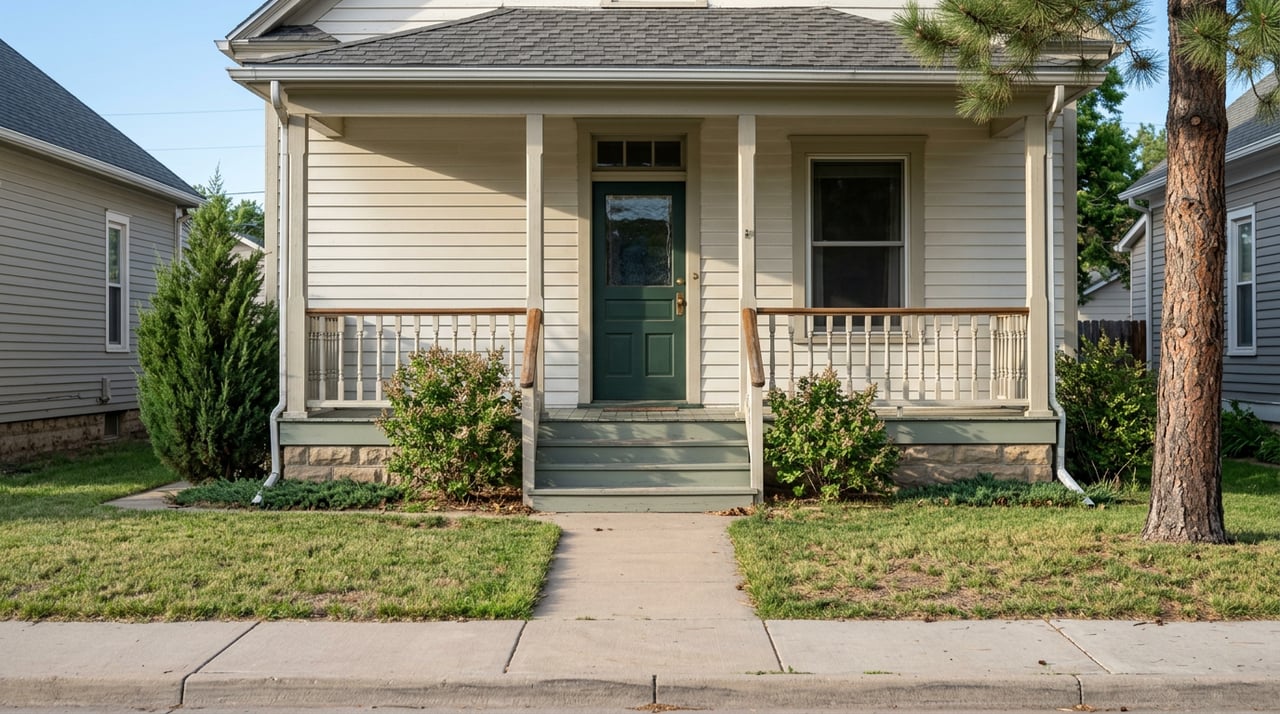
Residential streets show variety:
Together, these styles create a townscape where you can walk from a Romanesque stone storefront to a porch‑front Queen Anne within a few blocks.
Hot Springs has a local Historic Preservation Commission and a designated historic district established by ordinance. The City’s rules outline when you need local review for visible exterior work, how to apply, and what to expect from the process. You can read the Historic Preservation chapter in the City of Hot Springs code for definitions and procedures.
It also helps to know how state and federal designations relate to local rules. Listing on the National or State Register is primarily honorific, though it can open doors to incentives. Local designation and the City ordinance are what trigger local design review. The South Dakota State Historical Society explains these programs on its National Register overview. When in doubt, confirm whether your address falls within the local district and ask the City or the Commission how review applies to your project.
Historic homes reward care and attention. A thorough inspection and smart planning help you protect original materials and avoid surprise costs.
Local sandstone is beautiful but softer than modern concrete masonry. Over time, you may see spalling, cracked or missing mortar, and past patches that used hard Portland cement. Hard mortars can trap moisture and damage the stone. The National Park Service advises that repointing should match historic mortar composition and joint profile. Review NPS guidance on mortar joints and water management before hiring a mason.
Older roofs may include wood shingles or early metal, and flashing or gutters can fail with age. Water is the enemy of both wood and masonry. Make sure your inspection covers roof condition, flashing, gutters, downspouts, and grading at the foundation. Fixing water management first will often prevent more costly repairs later.
Original wood‑sash windows are common and add a lot of character. Many are repairable. NPS guidance favors repair and weatherization, such as storm windows, new seals, and selective reglazing, rather than full replacement where possible. Learn what to ask your contractor by reviewing NPS guidance on wood window repair.
Expect to evaluate electrical, plumbing, and HVAC. In older homes, wiring may include knob‑and‑tube, and plumbing may include galvanized lines. Budget for updates to meet modern safety and lender standards. If a home was built before 1978, assume there may be lead‑based paint, and know that asbestos can appear in some older materials. Use certified professionals for any required testing or abatement.
Hot Springs sees cold winters, snow, and freeze–thaw cycles. Moisture that enters masonry or exposed wood and then freezes can cause deterioration. Keep water moving away from the house, maintain roofs and gutters, and avoid trapping moisture in masonry with inappropriate coatings or mortars.
Use this quick checklist to protect your budget and plan confidently:
You have several ways to purchase a historic home and fund improvements.
Practical tips:
Buying a historic home in Hot Springs is both a lifestyle choice and an investment in the town’s heritage. You will balance character and craftsmanship with added planning for materials, approvals, and repairs. With the right team, you can protect what makes the home special and update it to live comfortably.
A local agent who understands the City’s preservation process, regional contractors, and renovation loans can save you time and money. You will know when to apply for a COA, which specialists to call, and how to structure a purchase that keeps your project on track.
If you are considering a move, our team is here to help you line up inspections, understand the historic review process, and target homes that fit your budget and goals. Have questions about a specific property or plan? Reach out to Joel Hawkins to schedule a free consultation.
Stay up to date on the latest real estate trends.
We are committed to guiding you every step of the way—whether you're buying a home, selling a property, or securing a mortgage. Whatever your needs, we've got you covered.

Address 106 S Chicago St Hot Springs SD 57747