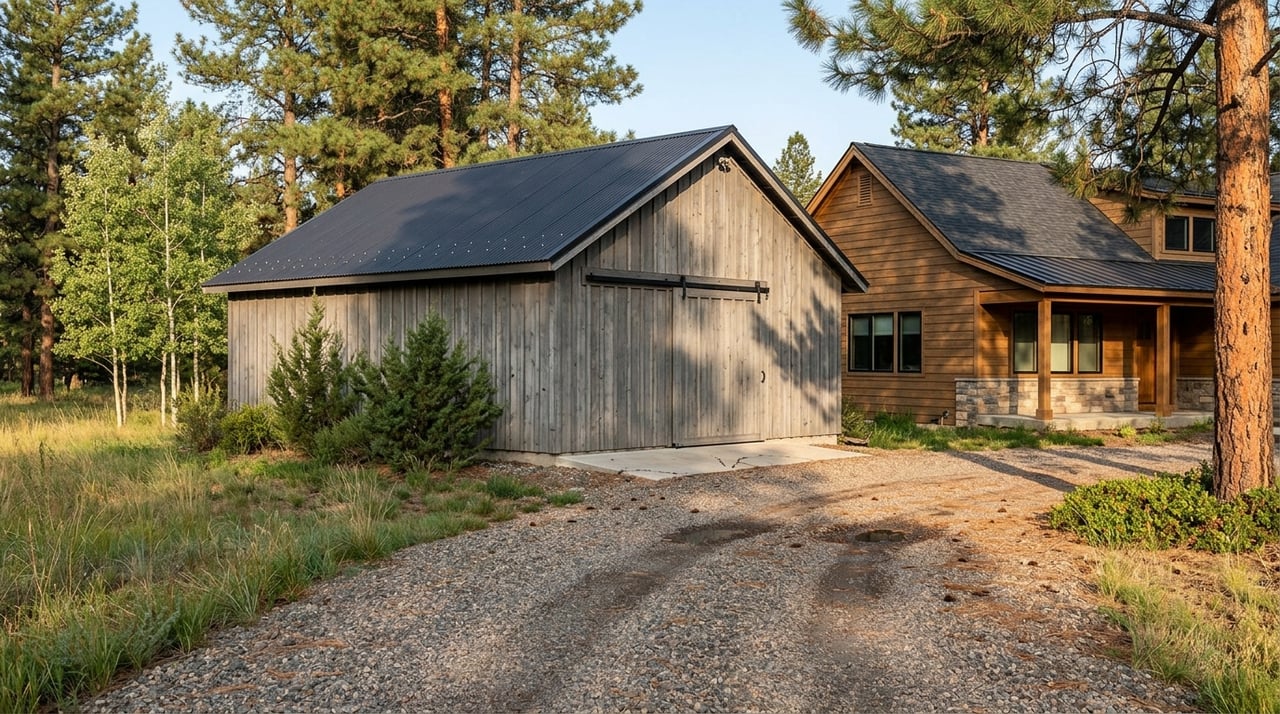
Buying Land Near Custer SD and Small Ranch Properties
April 16, 2026
April 16, 2026
If you are thinking about buying land or a small ranch around Custer, it helps to know one thing up front: rural property due diligence is different from buying a house in town. A great-looking parcel can still come with questions about access, water, septic, permits, or future improvements. When you understand the local process before you buy, you can make a more confident decision and avoid expensive surprises. Let’s dive in.
One of the first questions to answer is whether the property is inside the City of Custer or in unincorporated Custer County. That single detail changes which rules and offices apply to your purchase.
For unincorporated county land, Custer County says there is currently no zoning or building-code regime, but the county planning office still regulates subdivision, land use, access, wastewater, and approach/building permits. You can review that framework through the county’s Planning and Economic office.
Inside the city limits, the process is different. The City of Custer Planning Department handles matters such as subdivision, lot combinations, zoning variances, and city easements, and the city states that it follows the 2018 IBC codes. In short, you should not assume county procedures apply if the parcel is in the city.
Around Custer, access is not a small detail to clean up later. It is one of the first things you should verify before closing.
According to the county’s 2026 permitting process, proof of ownership is required for newly purchased property, and no permits will be issued without verification of recorded access. The county also states that permits are issued only to the owner or the owner’s designated agent.
That means you want to confirm not just that you can physically drive to the property, but that legal access is properly recorded. Ordinance #2 explains that recorded access is a permanent easement providing legal access to an isolated tract, and it allows private access roads within private access easements. You can review the county’s definitions and subdivision standards in Ordinance #2.
Easements can affect how you use the land now and later. The same ordinance notes that utility and drainage easements may be required where necessary, and subdivision layouts generally use a 20-foot utility easement standard unless otherwise approved.
If a parcel is crossed by a watercourse or stream, drainage easements may also come into play. This is one reason raw land should be reviewed from both a practical and a records standpoint before you move forward.
Before you remove contingencies, it is smart to compare what you see on the ground with what the public record shows. In Custer County, that starts with the Register of Deeds and county mapping tools.
The county’s Register of Deeds office is the main archival office for land transactions. The county also notes that its GIS/Beacon portal combines public records, GIS, assessment, and tax data, while the Director of Equalization handles appraisal of real property for tax purposes.
These resources can help you verify deed information, parcel lines, recorded access, and tax data. If something about the road, boundary, or legal description looks unclear, it is better to sort that out before closing than after.
Water is one of the biggest questions for any land or small ranch purchase. The answer depends on how the property will be used and what type of infrastructure is already in place.
South Dakota guidance states that domestic use is generally exempt from permits, and that domestic use includes household use, stock watering, and noncommercial irrigation up to one acre. The state’s water rights primer also says individual farm or ranch use, including livestock water, can fall within that domestic-use exemption if it stays within the stated thresholds.
That said, not every water setup is automatically exempt. For example, the state explains that a Location Notice for certain dams may apply when a dam impounds 25 acre-feet or less and is used in place for stock watering or wildlife habitat, while larger dams or any diversion from the dam require a water right permit.
Custer County requires wastewater permits when applicable, and the county says only state-certified people may install, repair, or upgrade septic systems. If you are buying vacant land or a small ranch with plans to build or improve structures, septic feasibility should be part of your early due diligence.
The county’s permitting process also states that building permits are required for structures over 160 square feet, including new and used mobile or modular homes. That makes septic and permit planning closely tied together for many buyers.
Many buyers focus on the home site first and the road second, but county procedure makes road access a major part of the process. You want to know how the property will be entered, what approvals are needed, and who maintains the route.
According to the county’s approach information, approach permits must be obtained before construction, and one approach is allowed for each lot, tract, or parcel. The county also says a 911 address is issued after final inspection.
The same county information explains that public-road maintenance is generally the responsibility of adjacent landowners unless the county accepts it. If you are looking at a more remote tract, that is an important question to clarify while you are evaluating year-round use and future costs.
On rural property, fences can look official. But they are not always the same as the legal boundary.
SDSU Extension explains in its South Dakota fence guidance that fence lines may not match surveyed property lines. The publication also warns that new owners often discover historic fence lines are offset from legal boundaries, which is why a survey can help prevent costly mistakes before replacing fences or making access decisions.
This matters even more on small ranches or acreage where fencing affects livestock plans, neighbor relations, and day-to-day use. If boundary location is important to your purchase, it is worth treating that as a verification issue, not a guess.
If the property is currently leased for grazing, or if you plan to lease it out in the future, the lease terms matter more than many buyers expect. Fence and water issues should be clearly addressed before you close.
SDSU Extension’s grazing lease guidance recommends spelling out fence condition and repairs, initial water supply, stocking rate, grazing dates, drought adjustments, noxious weed control, and livestock management issues such as escapes and fence crawlers. In practical terms, fence responsibility and water supply are two of the most important lease items to review.
If a tract comes with an existing lease, ask for the written agreement and read it carefully. If there is no written lease, that is worth understanding before you move ahead.
Some buyers want a homesite today and flexibility tomorrow. If you think you may eventually divide the property, it is smart to look at subdivision standards early.
Under Ordinance #2, subdivision size classifications matter. The ordinance classifies low-density subdivisions as 5 acres or more, medium-density as 2 to under 5 acres, high-density as more than 1 but under 2 acres, and cluster subdivisions as at least 50 acres with at least half the area in common use.
Even if you are not planning to split the land right away, understanding these categories can help you evaluate a parcel’s long-term fit. It can also shape how you think about access, utilities, and layout from the start.
When you are buying land or a small ranch around Custer, a simple step-by-step process can save time and reduce risk.
Find out whether the parcel is in the City of Custer or unincorporated county land. That determines which offices, rules, and permits you will deal with.
Review the deed, title work, and access documents through the Register of Deeds. Then cross-check parcel lines, roads, assessment, and tax data using the county GIS and tax records.
Walk the approach, road, fence lines, and water sources before writing an offer without protections or removing contingencies. What looks simple on a map can feel very different in person.
If you want to build, place a manufactured or modular home, add outbuildings, or improve utilities, verify permit triggers, septic requirements, and any city or county approvals first.
If there is a grazing lease, confirm in writing who handles fence, water, repairs, stocking expectations, and drought adjustments. Rural property value is often tied to how these practical details are managed.
Land and ranch purchases in the Custer area often require coordination across county planning, the Register of Deeds, GIS records, tax records, and sometimes septic, survey, title, or water-rights professionals. That is why local guidance can be so valuable.
A broker with experience in Black Hills land and acreage can help you identify the right questions early, spot issues that deserve follow-up, and keep your due diligence organized. If you are exploring land or small ranches around Custer, Joel Hawkins can help you evaluate properties with a local, practical approach.
Stay up to date on the latest real estate trends.
We are committed to guiding you every step of the way—whether you're buying a home, selling a property, or securing a mortgage. Whatever your needs, we've got you covered.
Address 106 S Chicago St Hot Springs SD 57747