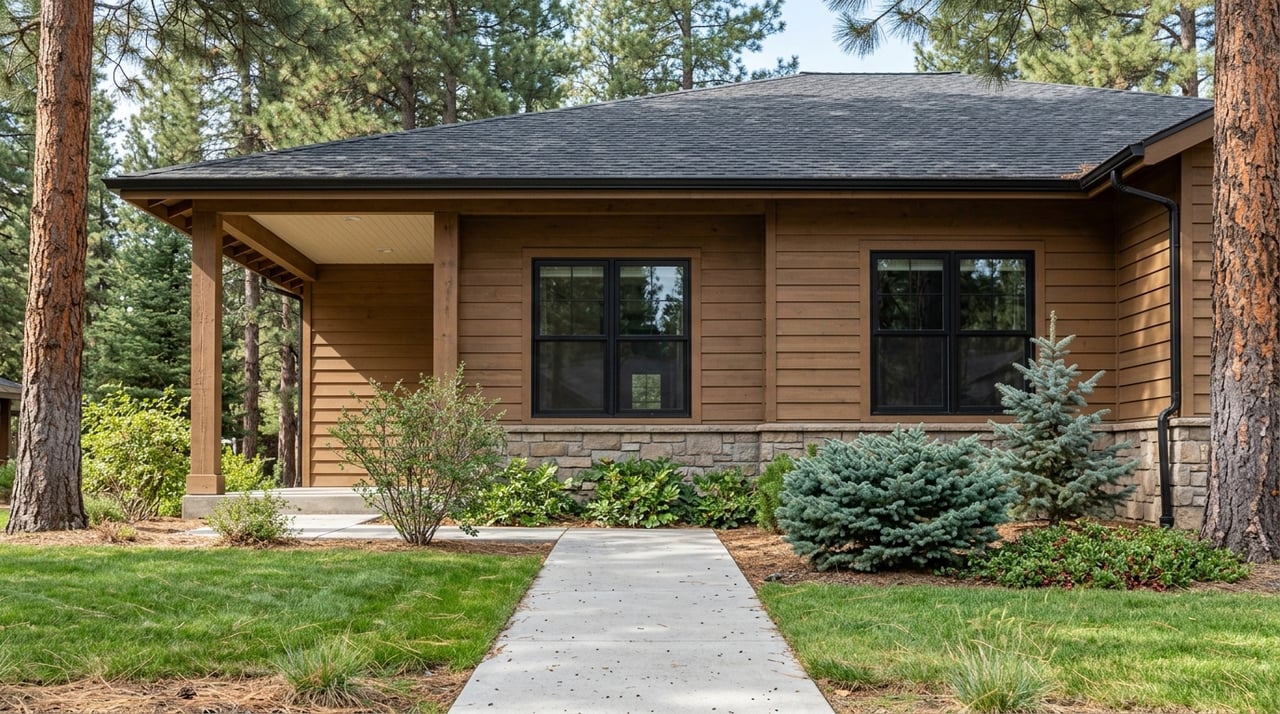
How to Price Your Hot Springs Home With Confidence
May 7, 2026
May 7, 2026
If you price your Hot Springs home too high, you may lose the buyers who were most ready to act when your listing first hits the market. If you price it too low, you risk leaving money on the table. The good news is that you do not have to guess. With the right local data and a clear strategy, you can price with confidence and move forward with less stress. Let’s dive in.
Hot Springs and Fall River County are not high-volume markets where dozens of nearly identical homes sell every week. Current market data points to a thinner market, which means each listing can stand out more, for better or worse. That makes your starting price especially important.
Countywide, Realtor.com reports 173 homes for sale, a median listing price of $344,900, and median days on market of 51. For the Hot Springs area in that same data set, there are 138 homes for sale with a median listing price of $425,000. Redfin describes Hot Springs as not very competitive, with a median sale price of $195,000, average days on market of 107, and homes selling about 5% below list price.
In plain terms, buyers in Hot Springs appear to have options and time to compare them. If your home is priced above where the market sees value, it may sit while better-positioned listings get the early attention.
A strong list price starts with comparable sales, often called comps. These are recently sold homes that are similar to yours in size, condition, layout, lot, and location. Fannie Mae and Freddie Mac both point to recent, nearby, similar sales as the best foundation for pricing.
Ideally, the most useful comps are from the last three months and from the same market area. In a place like Hot Springs, where sales can be less frequent, there may not be several perfect matches. When that happens, the best approach is to use the strongest available sold comps and make thoughtful adjustments for differences.
Those adjustments may include:
This is why pricing is more than plugging an address into an online calculator. A market-based price should reflect what buyers have actually paid for homes that compete with yours, not a rough estimate pulled from broad data.
One of the most common pricing mistakes is using assessed value as the main pricing anchor. In South Dakota, property is assessed at market, or full and true, value for tax purposes and then equalized to 85% for property-tax purposes. That makes the assessment useful for taxation, but not the same thing as a listing strategy.
If you are preparing to sell in Hot Springs, your asking price should be based on current market evidence, not your county assessment notice. The Fall River County Director of Equalization handles assessments and appeals, but buyers and appraisers will look first at the sales market.
In larger cities, pricing can be easier because there are often many recent sales of similar homes. In Fall River County, the housing stock is more limited and varied. Census QuickFacts shows 4,120 housing units in the county, a 72.4% owner-occupied rate, and only 9 building permits in 2024.
That suggests an established housing market with limited new supply. It also means broad statewide averages may tell you less than local comps do. When inventory is varied and new construction is limited, each sale can carry more weight in the pricing conversation.
Hot Springs also draws interest because of its location in the southern Black Hills. With destinations like Wind Cave National Park nearby, The Mammoth Site, and Evans Plunge, the area may attract a wider mix of buyers than a typical small town. Even so, your home still needs to be priced against real local competition and recent sales, not just the appeal of the area.
This strategy can backfire in Hot Springs. Redfin’s data shows homes here are already taking time to sell and often closing below list price. If you start too high, buyers may skip your listing before you ever get the chance to negotiate.
A higher price does not always create more leverage. In a slower market, it can reduce showing activity and lead to later price cuts, which may weaken your position.
Older sales or homes from outside the immediate market area can be less reliable. Fannie Mae notes that same-market-area sales are the best indicator of value when available. If you need to reach farther because sales are scarce, those differences should be explained and adjusted carefully.
This matters in rural and small-town areas where inventory can vary a lot from one pocket to another. A home outside Hot Springs may help inform value, but it should not be treated as a direct match without context.
Updates can help your home compete, but they do not always raise value by the full amount you spent. Buyers compare your home to nearby alternatives based on condition, features, and overall fit with the market.
In practice, the market tends to reward updates that match local buyer expectations. Useful improvements may strengthen your price position, but they still need support from comparable sales.
Before your home goes on the market, it helps to review pricing through a buyer’s eyes. Most buyers are comparing your property to other active listings, recent sold homes, and homes that failed to sell. Your price has to make sense in that full context.
A smart pricing review should include:
This kind of review helps you answer the most important pricing question: Why would a buyer choose your home over the alternatives at this price?
As a general rule, newer is better. Freddie Mac recommends looking at homes sold within roughly the last three months when you want the most accurate estimate of price. Fannie Mae also emphasizes that sales activity in the immediate market area is the best indicator of value.
In Hot Springs, that timeline may need some flexibility if there have not been many recent sales like yours. Even then, the goal stays the same. Use the most relevant sales available and adjust for the differences clearly.
That is not unusual in Fall River County. Rural and smaller markets often have fewer direct matches, especially for homes with acreage, unusual layouts, or distinctive site features.
When comps are limited, the safest approach is to rely on the best available sold properties and account for the differences in size, condition, lot, and location. This is where local market knowledge matters. A careful pricing strategy can explain why one sale is more relevant than another and how each adjustment supports the final list price.
Not all value comes from square footage alone. Fannie Mae specifically includes site, access, environmental conditions, hazard zones, and view-related factors in valuation.
In and around Hot Springs, that can matter quite a bit. Two homes with similar interior size may appeal differently based on lot layout, setting, access, or other location-related features. These details can influence how buyers compare homes and what they are willing to pay.
Confidence does not come from picking the highest number that sounds good. It comes from understanding the market you are in right now and choosing a price that gives your home a strong chance to compete.
In a market like Hot Springs, pricing discipline matters. A well-supported price can help you attract serious buyers early, reduce the risk of sitting too long, and put you in a better position when offers come in.
If you want a pricing strategy built around local comps, current competition, and the realities of the Hot Springs market, Joel Hawkins can help you move forward with clear guidance and professional local insight.
Stay up to date on the latest real estate trends.
We are committed to guiding you every step of the way—whether you're buying a home, selling a property, or securing a mortgage. Whatever your needs, we've got you covered.

Address 106 S Chicago St Hot Springs SD 57747