Guide to Custer SD Vacation Homes and Second Homes
February 19, 2026
February 19, 2026
Thinking about a Black Hills getaway you can call your own? If Custer is on your radar, you’re not alone. The town’s small‑town charm, easy access to parks and trails, and wide mix of properties make it a smart place to plant a vacation or second‑home base. In this guide, you’ll learn what you can buy, realistic price ranges, what to know about utilities and wildfire risk, and how short‑term rentals work in South Dakota. Let’s dive in.
Custer puts you close to the region’s biggest draws without long drives. You can reach Custer State Park, Wind Cave, Jewel Cave, Crazy Horse Memorial, and Mount Rushmore in roughly 15 to 30 minutes depending on your route, which is a key reason many owners choose this hub for hiking, fishing, and scenic drives. For trip planning ideas, see this overview connecting Black Hills attractions and road loops from the park system’s partners at Black Hills Parks & Forests Association.
Custer’s market also offers range. As of February 2026, Zillow’s Home Value Index for the Custer ZIP comes in around $461,000, with listings that run from in‑town cottages to high‑end lodge‑style homes and multi‑acre properties. Summer tourism creates seasonality in both listings and demand, which local reports note can shift pricing and days on market through the year. A recent regional write‑up highlights these summer dynamics for buyers and sellers in Custer (Destination Black Hills market update).
Price snapshot: Many smaller in‑town homes list in the roughly $150,000 to $400,000 range, with updated 2 to 3 bedroom options commonly reaching $300,000 to $600,000 or more depending on size and finish. Always check live MLS data for current numbers.
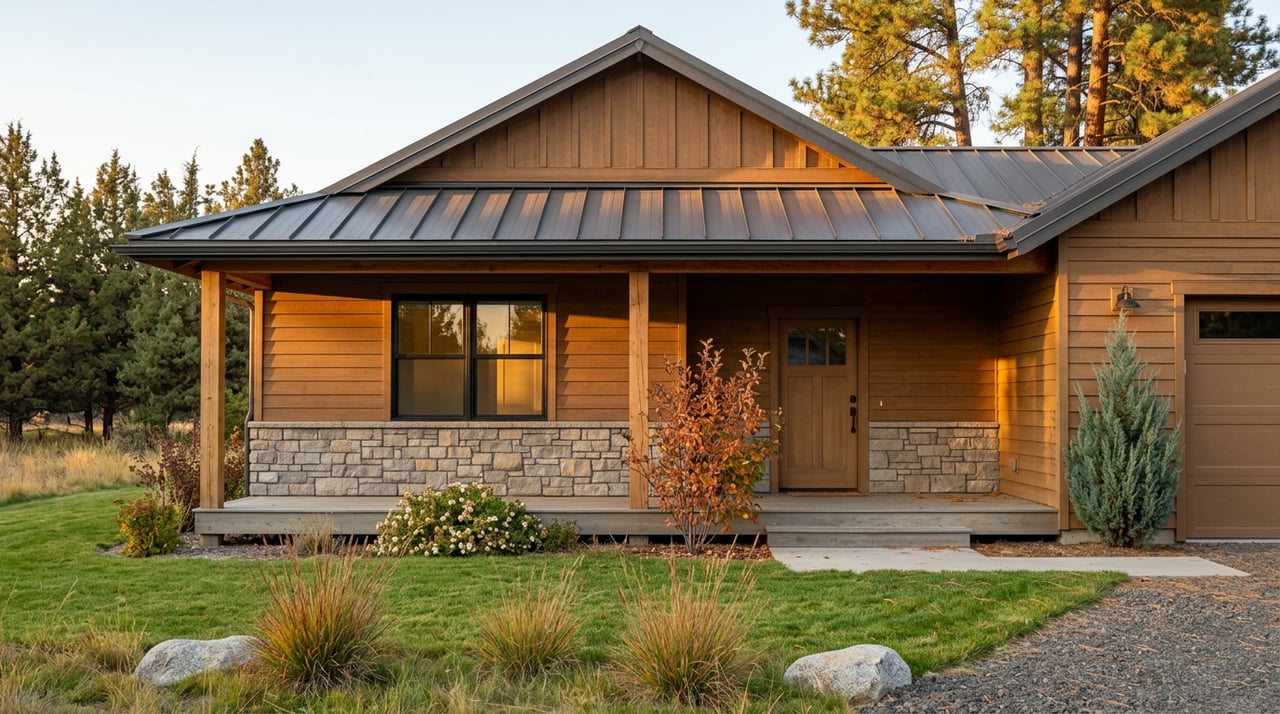
Pros: Walkable access to restaurants and shops, quick trips year‑round, and lower maintenance travel logistics. Many neighborhoods have municipal water and sewer, and streets see consistent winter road care.
Cons: Smaller lots and less privacy are common. Older systems or remodel needs can add cost. Insurance and financing are generally straightforward compared with remote cabins.
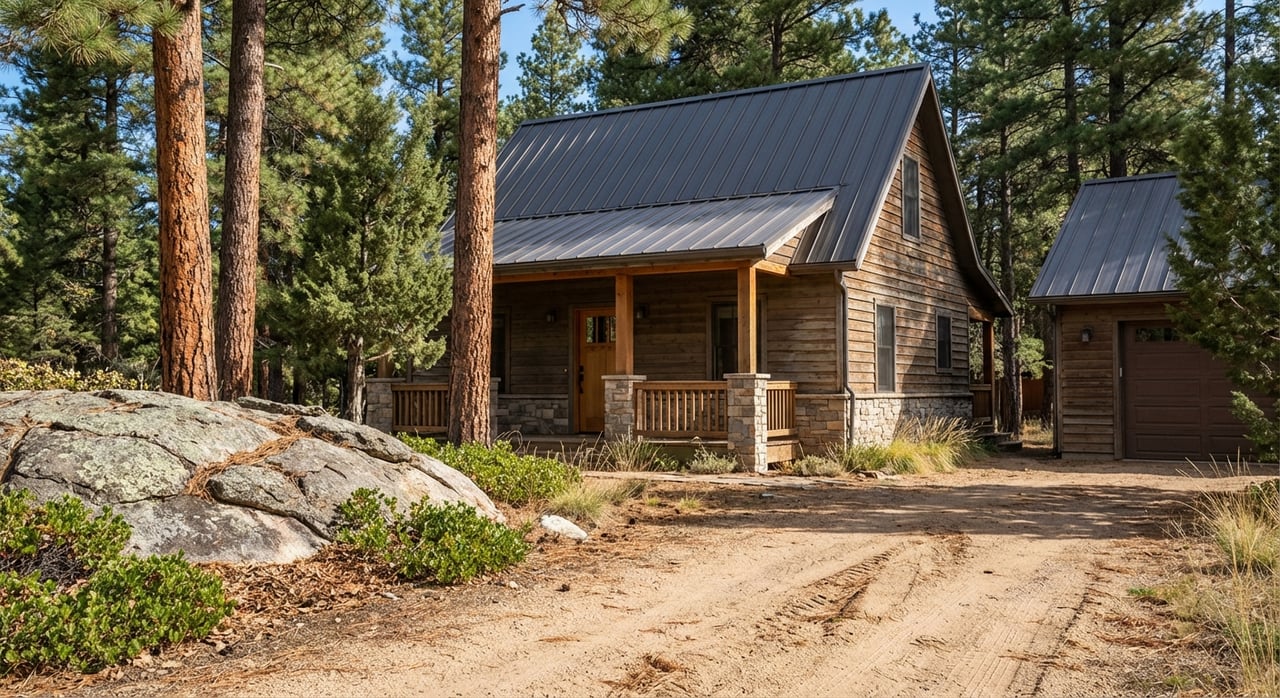
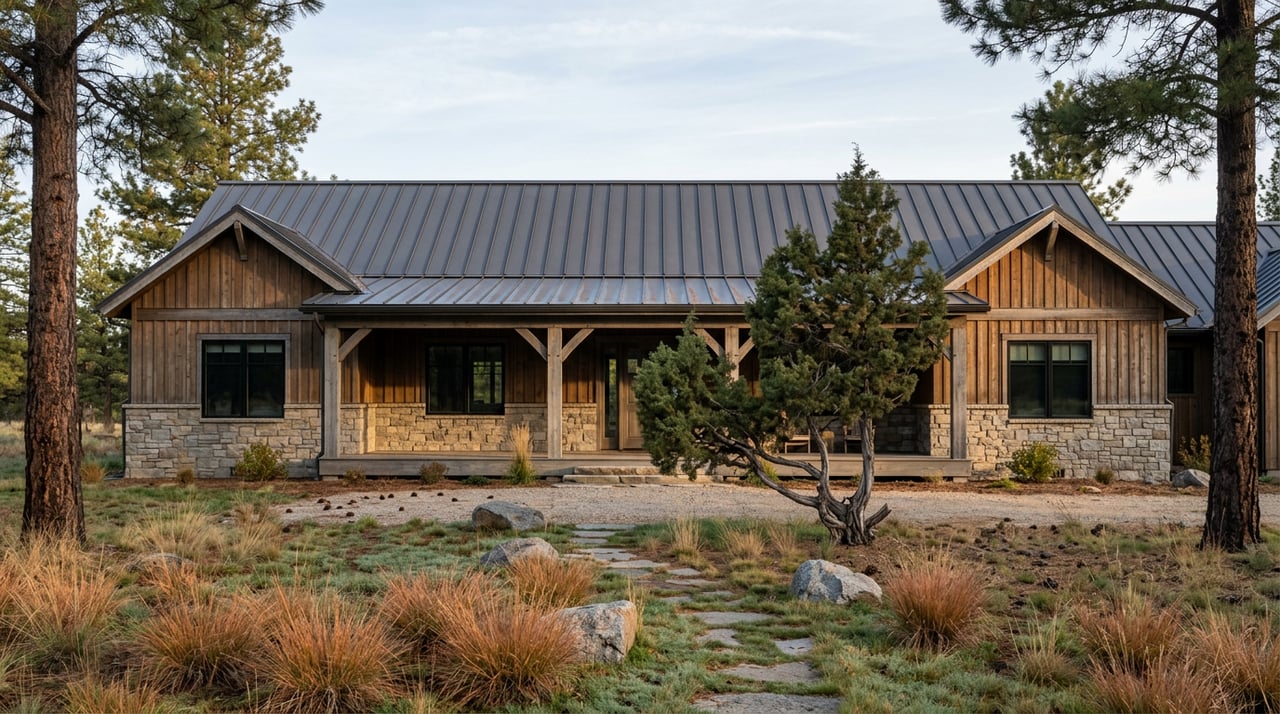
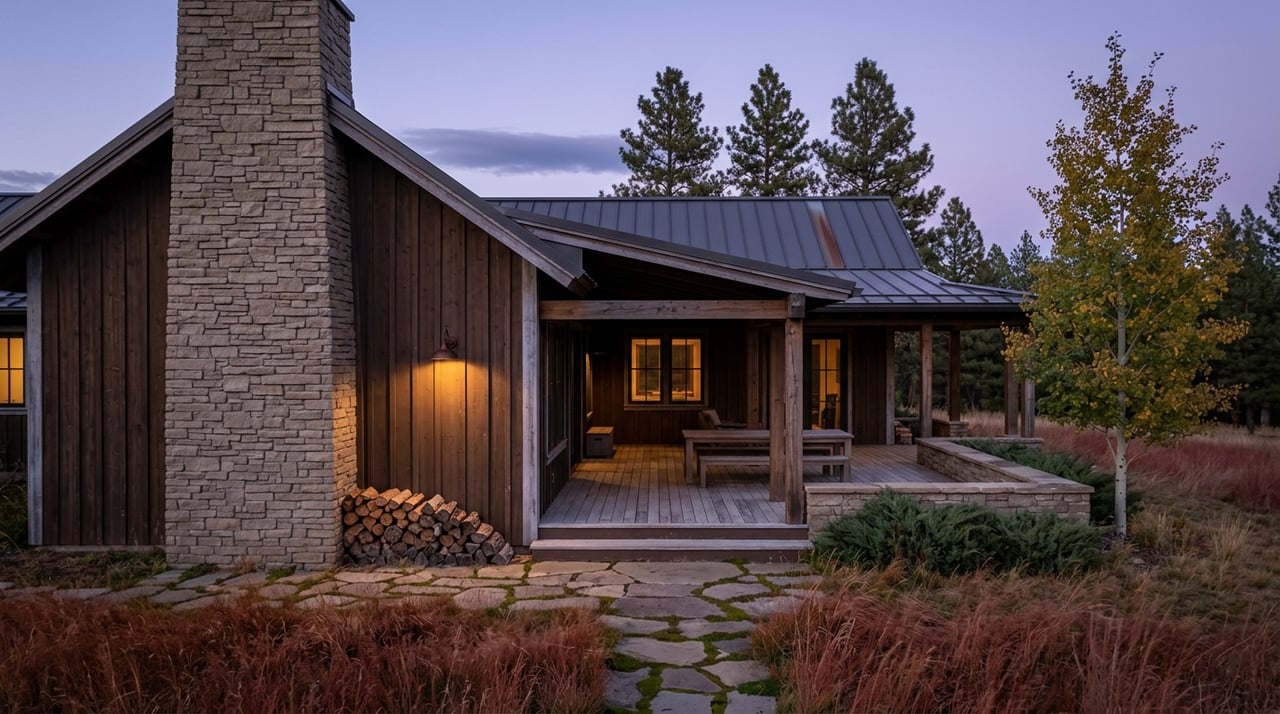
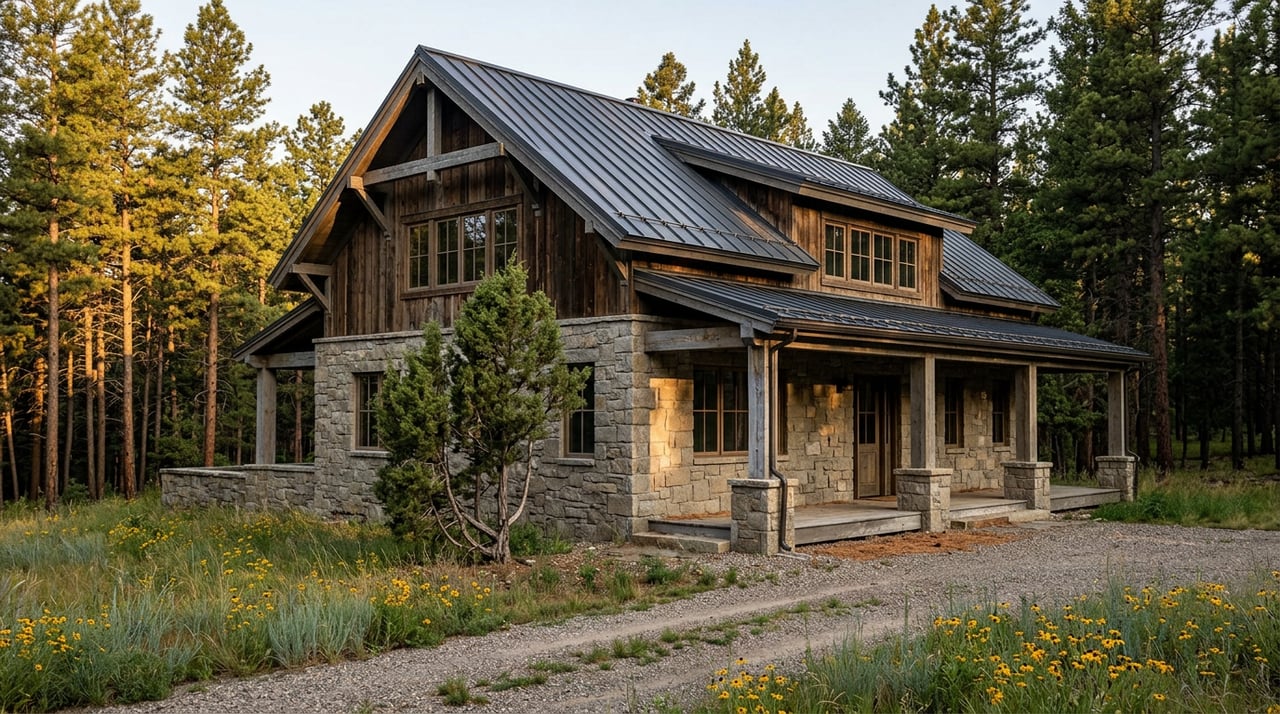
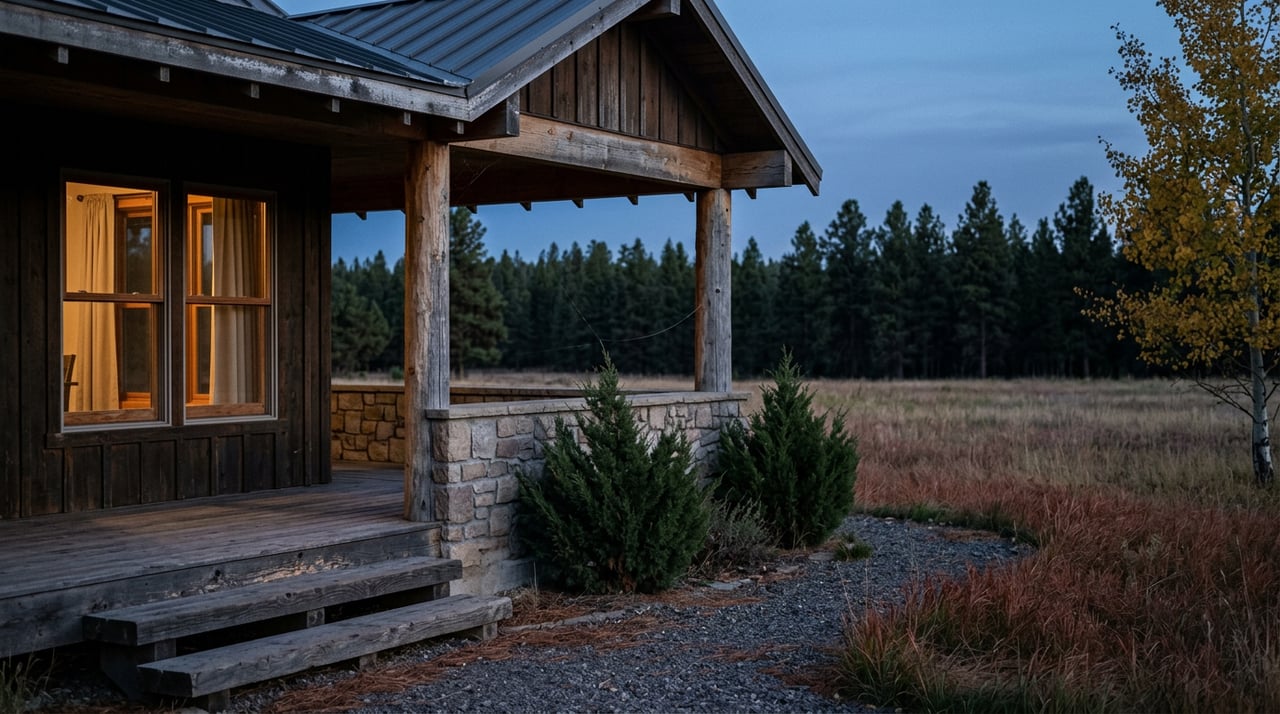
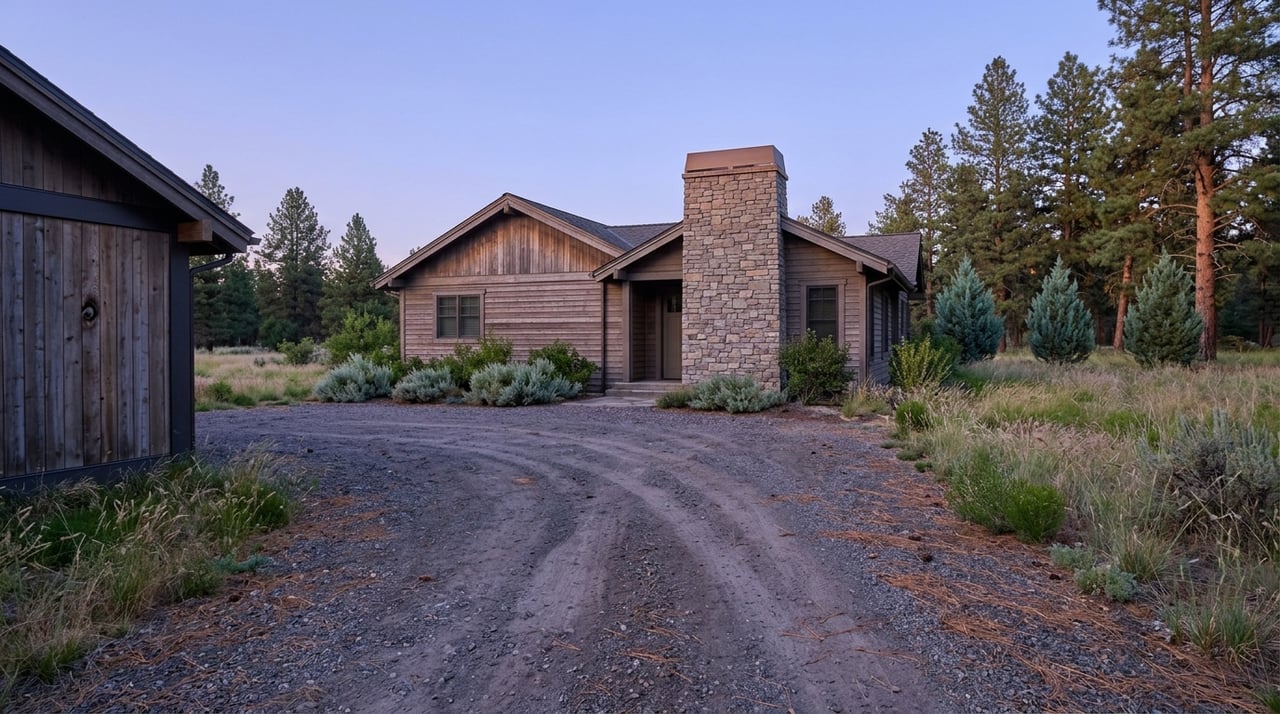
Price snapshot: Turnkey and rustic cabins on private lots often range from about $250,000 to $700,000 depending on finishes, remoteness, and access.
Pros: Privacy, scenery, and close trail access create strong lifestyle appeal.
Cons: Expect gravel roads, seasonal access, and private well and septic systems. Internet can be limited, though many owners rely on satellite or fixed wireless, with Starlink now common in more isolated valleys. Insurance can be higher due to winter and wildfire exposure.
Price snapshot: Land tracts from 2 to 40 acres often list from about $80,000 to $600,000 and up, with larger improved ranches or view properties reaching well above $1 million.
Pros: Extra space for ATVs, horses, workshops, and privacy.
Cons: More upkeep and additional costs for utilities. Budget for well drilling, septic design, bringing in power, private road maintenance, and checking local zoning or forest‑access rules.
Owning a vacation place that earns income is appealing, but you need to set it up correctly in South Dakota.
Short‑stay lodging that meets state definitions must be licensed and meet health and safety standards. If the property uses private water or sewer, plan for reviews and inspections before hosting guests. Start with the South Dakota Department of Health’s lodging licensure guidance.
Short‑term stays under 28 nights are subject to state sales tax and the state tourism tax of 1.5 percent, plus any local taxes that apply. The South Dakota Department of Revenue explains requirements and municipal rules on its tourism tax page. Some booking platforms collect certain taxes, but you are responsible for proper registration and remittance.
Rules within the City of Custer and in Custer County can affect how a property may be used for rentals. Before you buy or convert, contact the county or city planning office and review current code and any conditional use permit requirements. Start with Custer County’s official site.
Peak demand runs late spring through early fall, with strong spikes around holidays and major events. Custer State Park’s Buffalo Roundup draws tens of thousands of visitors and can push rates and occupancy higher for that period, according to recent coverage of record attendance for the event (Buffalo Roundup attendance report).
Many owners list on major platforms and hire local management to handle cleaning, guest support, and compliance tasks. Confirm who collects and remits taxes, and align your systems so you stay current with state and local requirements.
In‑town homes typically have municipal water and sewer along with more reliable wired internet. Cabins and acreages often rely on private wells and septic systems, with satellite or fixed‑wireless internet in many areas. Ask sellers for recent utility bills, well and septic records, and an internet speed test.
The Black Hills has a known wildland‑urban interface risk. Ask about local fire district response times and the property’s wildfire history, and create defensible space where possible. For background on regional fire considerations, see this overview of Black Hills incidents and planning resources from state and federal partners (Great Plains Fire Information).
Custer sits around 5,300 to 5,600 feet in elevation. Winters bring cold and snow, sometimes offset by chinook variability. Plan for reliable heating, snow removal, and seasonal maintenance. For a quick orientation to local climate and elevation, see the Custer, South Dakota profile.
In town, plowing and road maintenance are more predictable. On private or remote roads, you may need to budget for driveway grading, culvert upkeep, and shared road agreements. Always verify who maintains access routes and what it costs.
Ready to explore listings and compare options side by side? Reach out to Joel Hawkins for local guidance grounded in Black Hills experience, from cabins and in‑town cottages to small ranch properties.
Stay up to date on the latest real estate trends.
We are committed to guiding you every step of the way—whether you're buying a home, selling a property, or securing a mortgage. Whatever your needs, we've got you covered.
Address 106 S Chicago St Hot Springs SD 57747