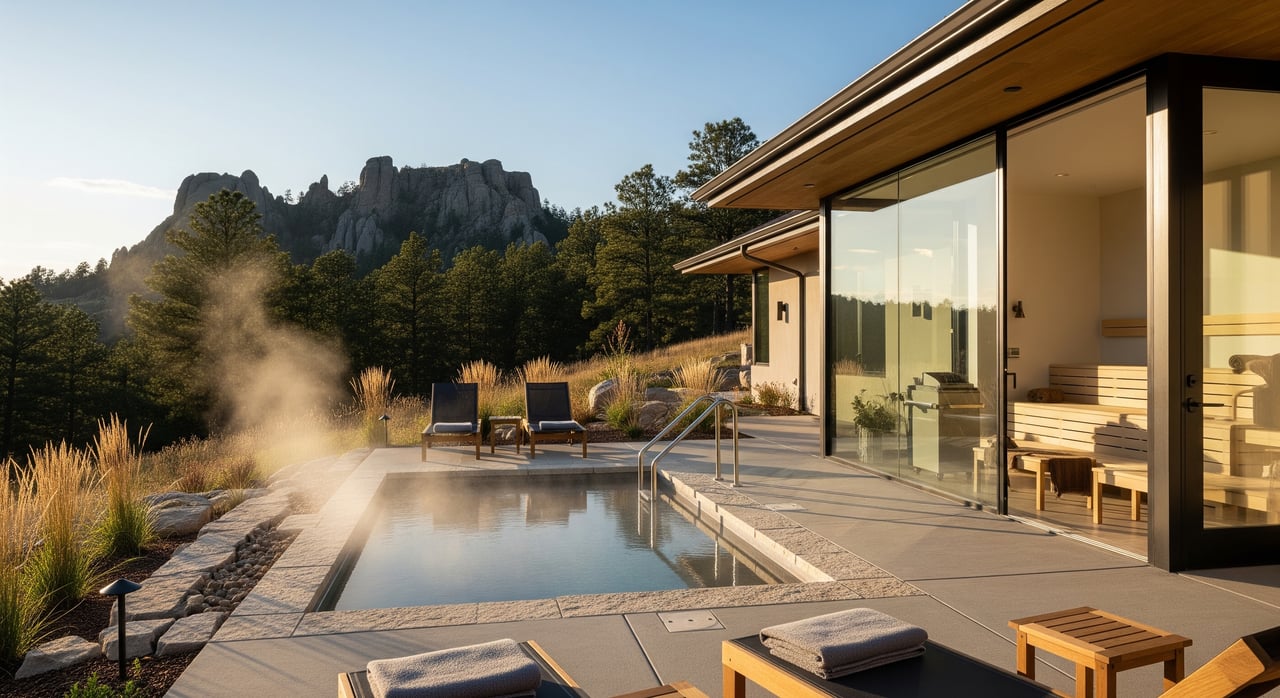
Retiring in Hot Springs SD: Housing, Healthcare & Lifestyle
February 5, 2026
February 5, 2026
Thinking about retiring where warm mineral waters, pine-covered hills, and a slower pace meet practical day-to-day living? If Hot Springs in Fall River County is on your radar, you’re not alone. You want clear answers on housing options, healthcare access, costs, and what daily life actually feels like. This guide lays out what to expect, what to check, and how to plan with confidence. Let’s dive in.
Hot Springs offers a small-town feel with access to the southern Black Hills. You get quiet neighborhoods, scenic drives, and nearby public lands for hiking, fishing, and birding. The town is known for mineral hot springs and a walkable historic core.
South Dakota’s tax structure is a major draw. The state has no income tax, which can help your retirement income go further. You still want to budget for seasonal heating, personal transportation, and periodic trips to regional medical centers.
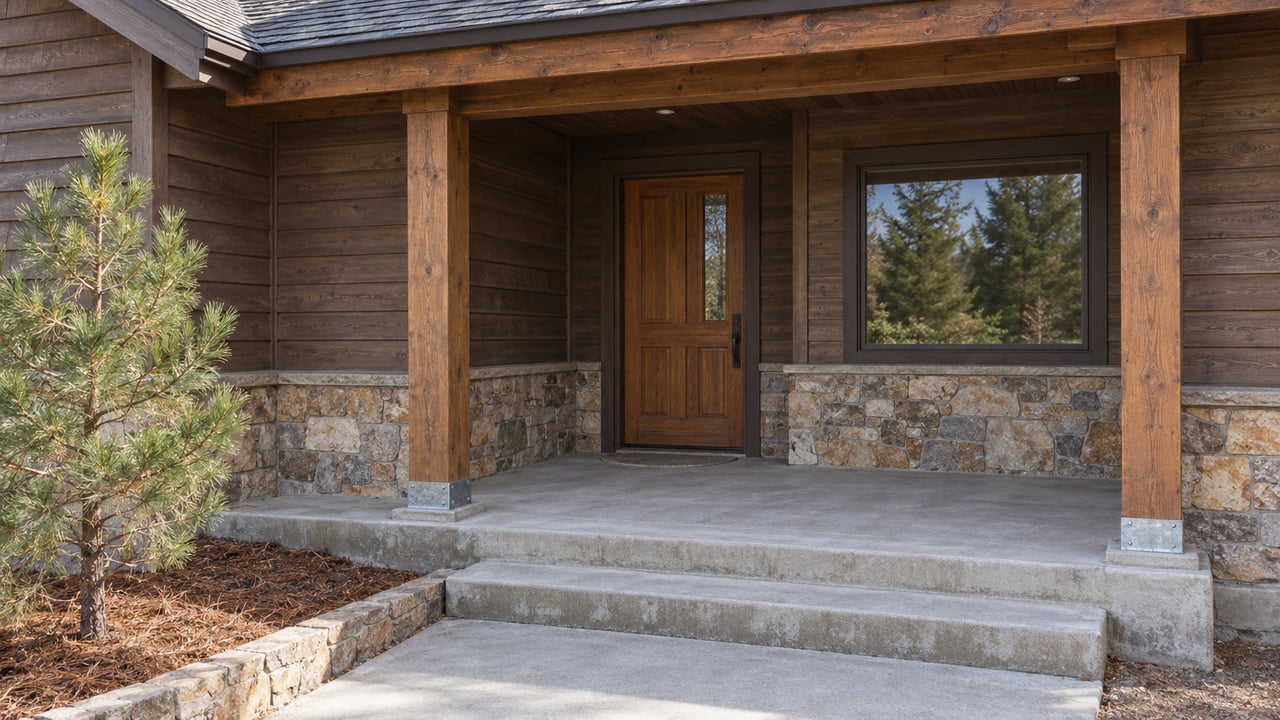
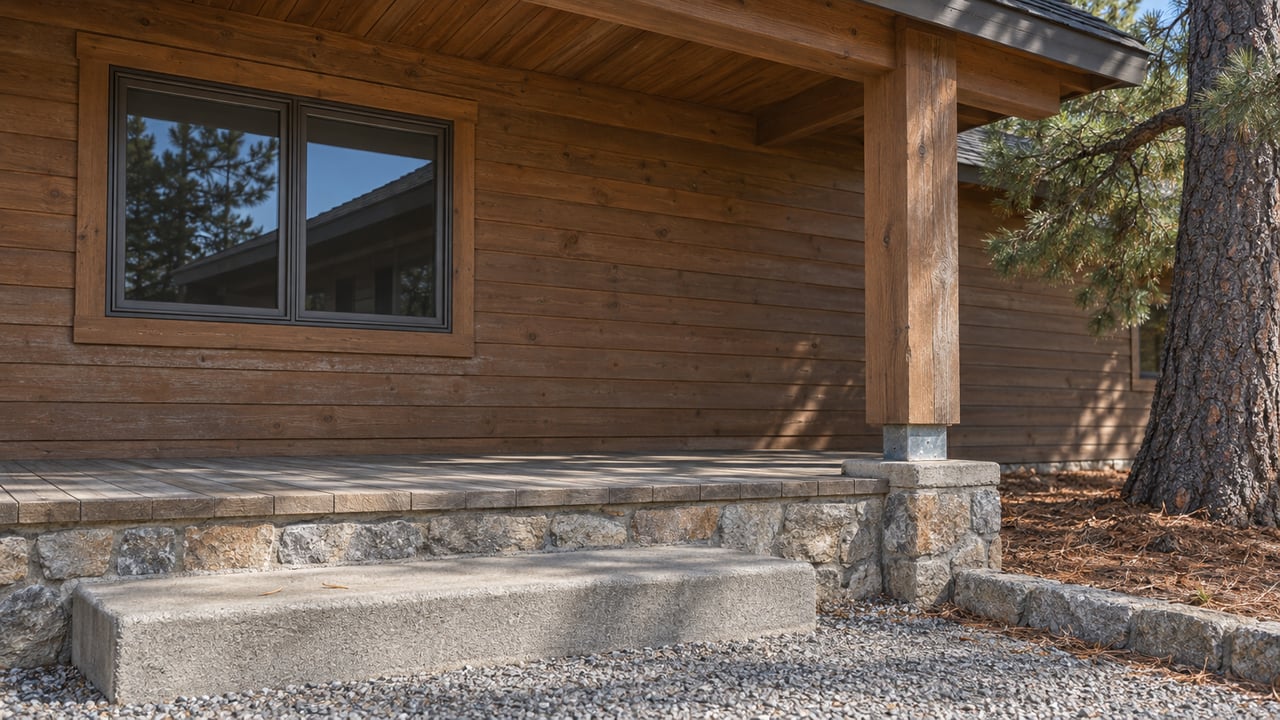
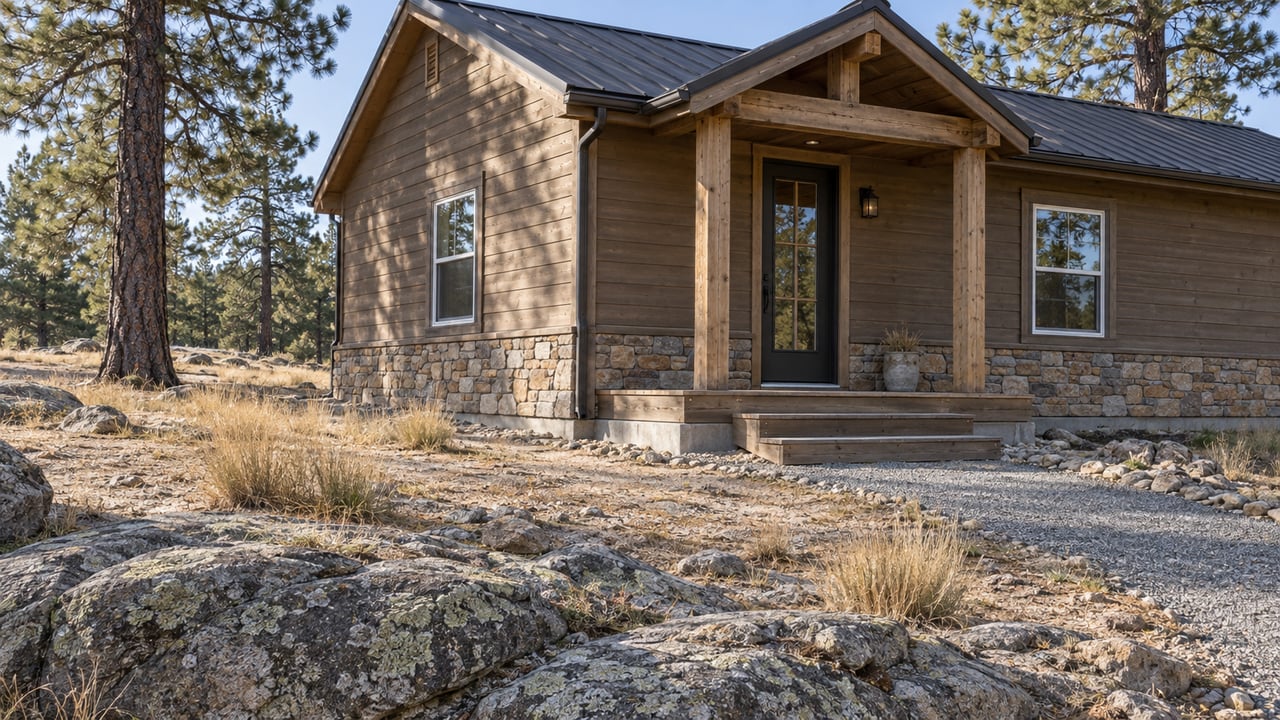
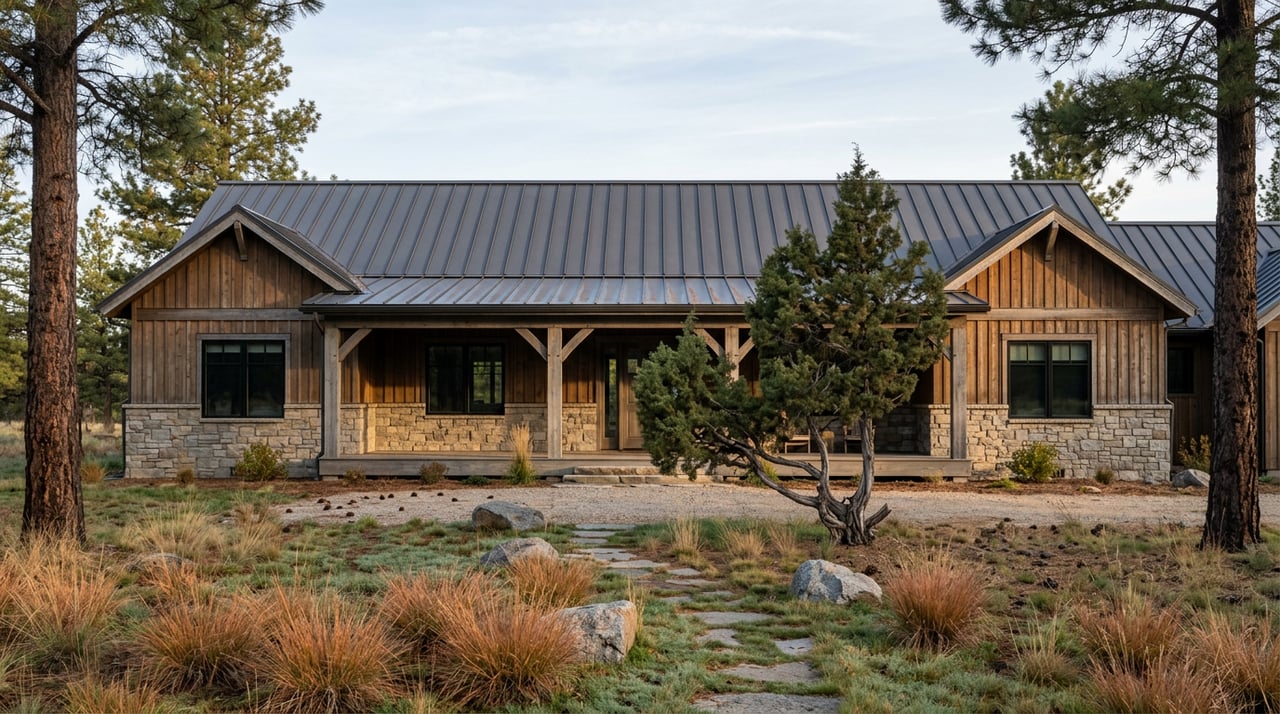
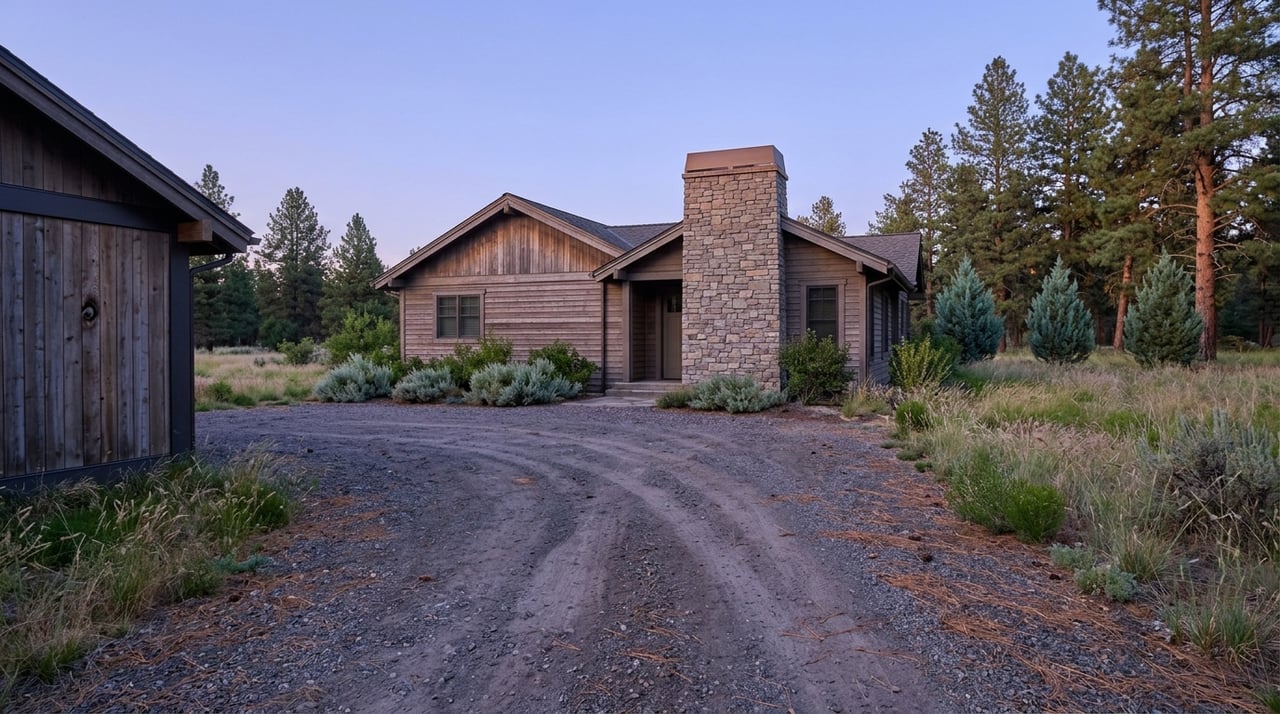
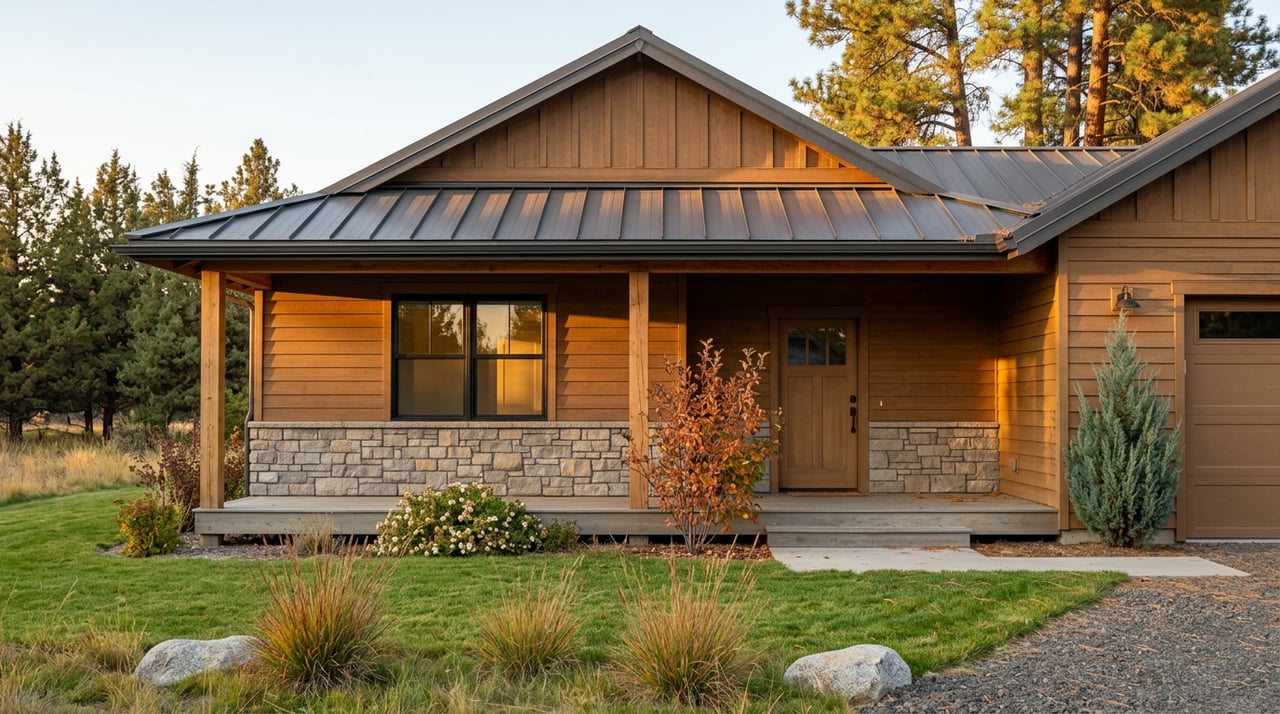
You’ll find a mix of older single-family homes, ranch-style properties, and manufactured homes in and around Hot Springs. New subdivisions are limited, and condos or townhomes are less common than in metro areas. Inventory can be tight, so be ready for variation in condition, acreage, and price.
If you’re downsizing, you may choose a smaller home in town, a manufactured home, or a low-maintenance lot with room for hobbies. Because many homes are older, plan for a thorough inspection. Pay close attention to roofing, foundation, insulation, heating systems, and winter-readiness.
For rentals, expect fewer traditional apartment choices than you would in larger cities. Seasonal demand tied to tourism may impact availability and pricing at certain times of the year.
Senior-specific housing exists in small-town formats. Options often include independent-living apartments, assisted living, and skilled nursing. In-home support and home health agencies can bridge gaps for couples or individuals who want to age in place.
Quality and availability vary by facility and season. Before you choose, compare inspection histories, staffing, and quality measures using Medicare’s Care Compare tool. You can review ratings for nursing homes, home health agencies, and hospice providers in one place. Start with the Medicare resource for comparing providers to understand options and quality data.
In small towns like Hot Springs, primary care and urgent care are typically local, while specialty and higher-acuity care often involves travel to a regional center. In western South Dakota, referrals commonly go to larger hubs such as Rapid City. That can mean a drive of about one to two hours for certain appointments or procedures.
Plan your care network before you move:
For data-driven comparisons, rely on federal and state resources:
South Dakota does not tax individual income, including Social Security and pension income. That can meaningfully improve after-tax retirement cash flow. Sales and property taxes still apply, so build those into your budget.
Heating and utilities deserve extra attention. Many homes rely on natural gas or propane for heat, and winter costs can be significant. Ask sellers for the last 12 months of utility bills to build a realistic budget.
If you’re comparing overall costs to other regions, use federal references for broad context and trends:
Healthcare coverage can be another variable. Review Medicare Advantage, Medigap, and Part D options open to you:
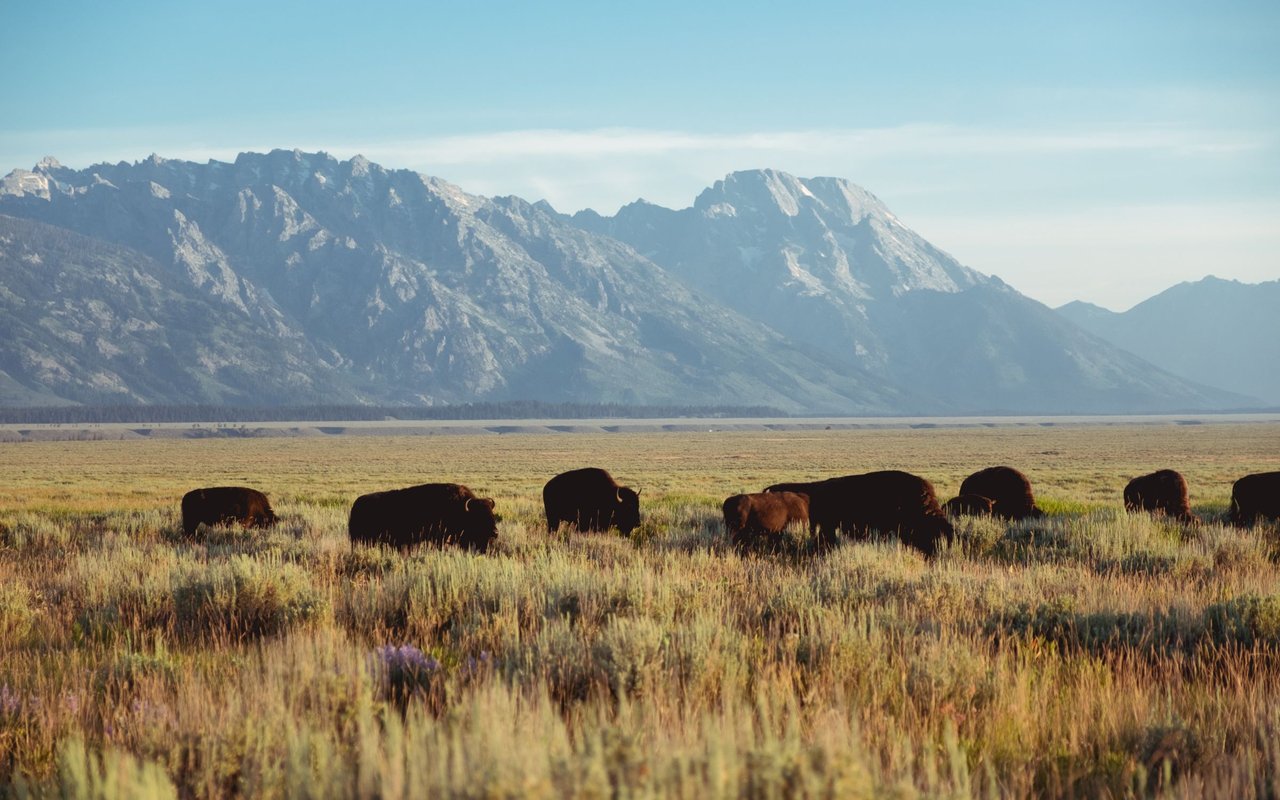
Retiring in Hot Springs means easy access to outdoor recreation, scenic drives, and historic attractions. The southern Black Hills offer trails, wildlife viewing, and national park experiences suitable for a range of activity levels. For example, explore caves, prairie, and hiking trails in the region by starting with the National Park Service resources.
Day-to-day living is straightforward. In town, you’ll find grocery options, pharmacies, banking, and basic retail to cover daily needs. Community calendars often feature seasonal events, markets, and volunteer opportunities. Libraries, senior centers, and faith communities are common places to connect.
Seasonal tourism adds energy throughout the year and can boost dining and entertainment choices during peak months. Off-season, you can expect a calm, small-town rhythm.
You will likely rely on a personal vehicle for errands, medical visits, and recreation. Public transit is limited in many small towns. Ask about county dial-a-ride programs or volunteer driver networks that support older adults.
For longer trips, plan drives to regional airports for commercial flights. Weather can affect winter driving conditions, so factor snow removal, tire choice, and backup plans into your routine.
Use this list to evaluate Hot Springs with clarity and confidence:
When you’re deciding where to retire, local insight matters. A seasoned real estate partner helps you sort through older-home considerations, weigh in-town versus out-of-town trade-offs, and match your budget to the best options available. You can ask pointed questions about snow removal, septic systems, winter heating, and routine maintenance that are common in small-town markets.
Black Hills Homes & Land, operating as Heartland Real Estate, represents buyers and sellers across residential, land and acreage, farm and ranch, multi-family, and small commercial properties throughout the southern Black Hills. If Hot Springs fits your retirement vision, let us help you evaluate the right homes, lots, or acreage with clear, local guidance. Ready to get started? Connect with Joel Hawkins for a friendly, no-pressure conversation.
Stay up to date on the latest real estate trends.
We are committed to guiding you every step of the way—whether you're buying a home, selling a property, or securing a mortgage. Whatever your needs, we've got you covered.
Address 106 S Chicago St Hot Springs SD 57747