Thinking about trading the city pace for a small Black Hills town with mineral springs, big skies, and friendly routines? If Hot Springs is on your radar, you likely want a clear picture of housing, commute realities, healthcare access, outdoor life, and what it takes to get settled. This guide walks you through those essentials and gives you a simple 60-day checklist to make your move smoother. Let’s dive in.
Housing options in Hot Springs
Starter and family homes
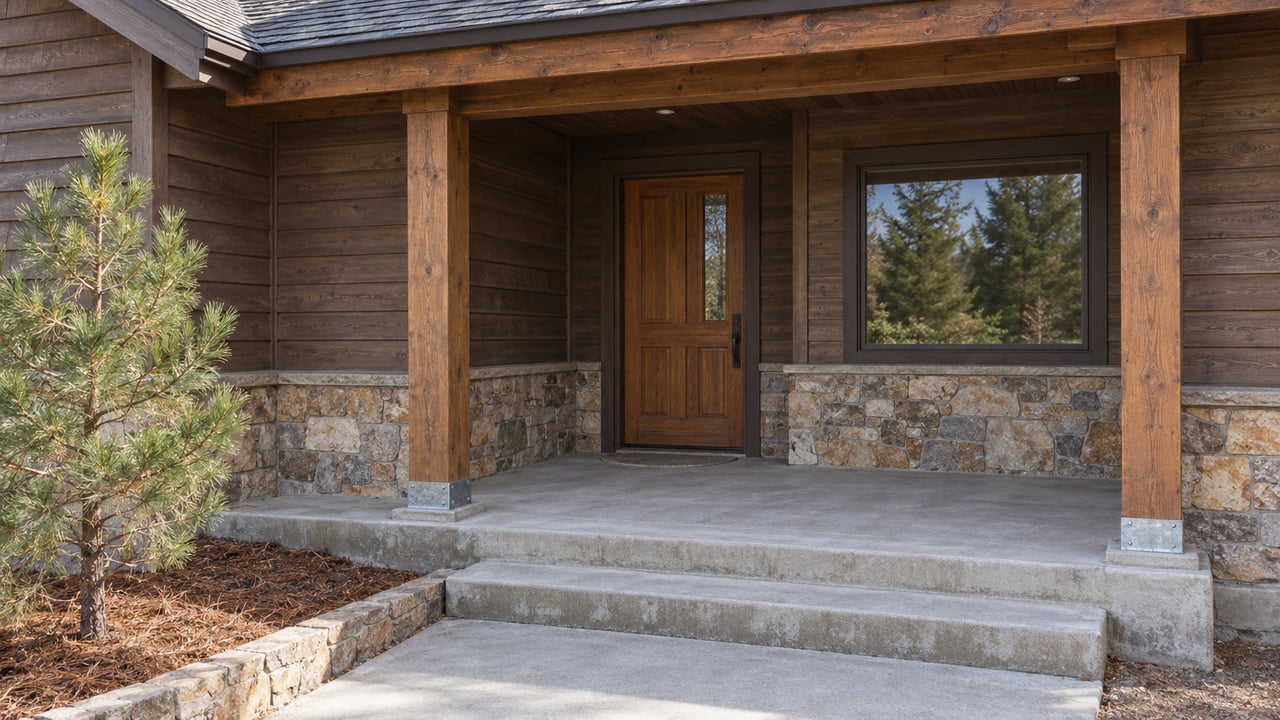
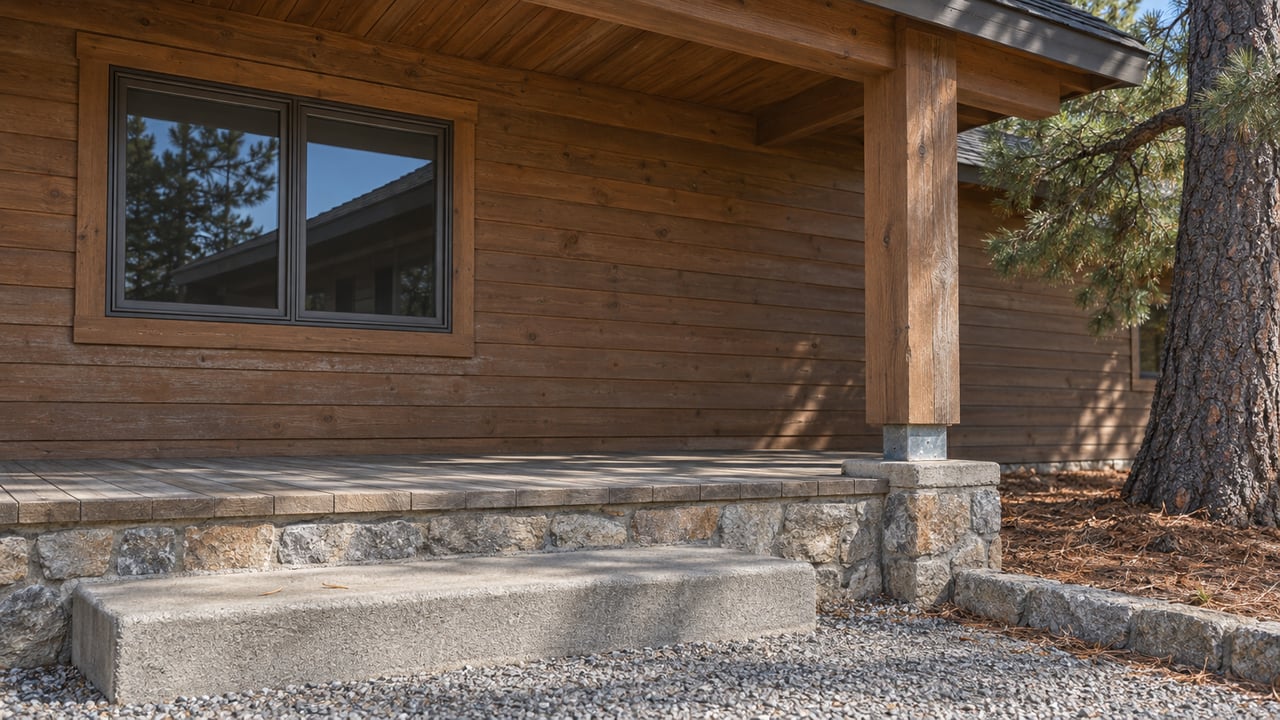
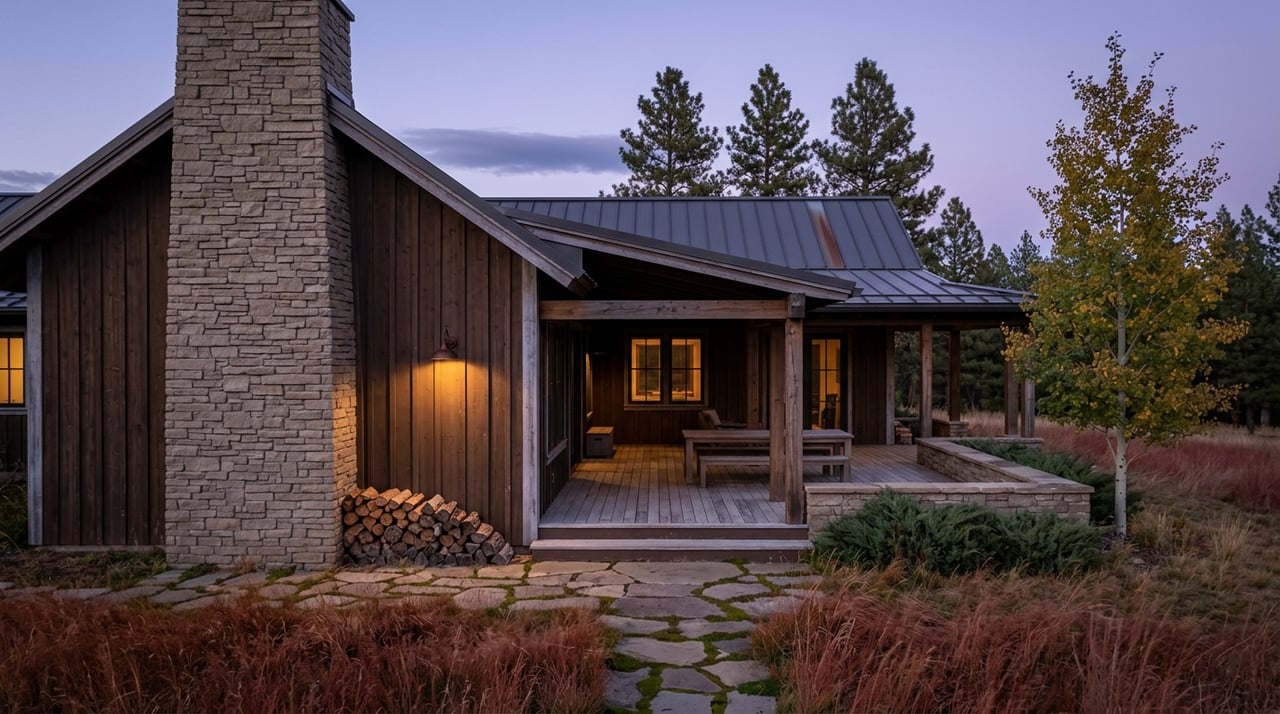
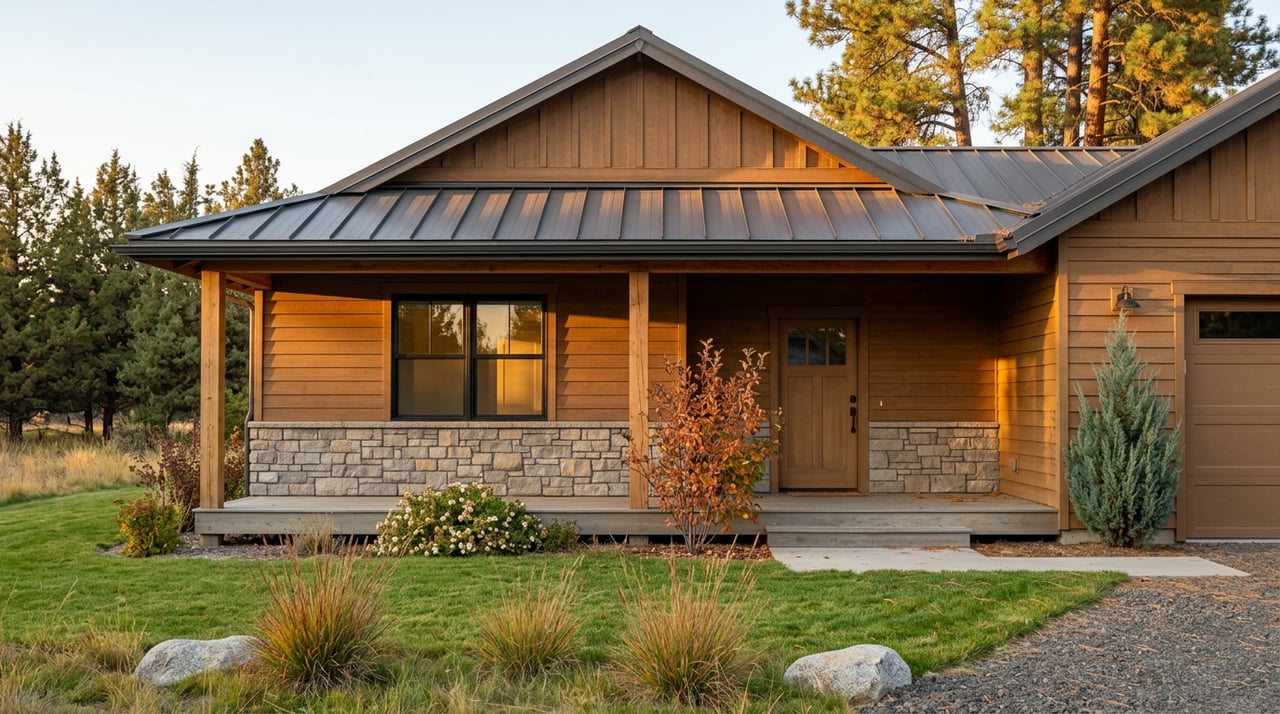
You’ll find modest single-family homes, historic cottages near downtown, and properties close to schools and community services. Inventory in a small town can be limited at times, so expect some competition for move-in ready homes. For everyday convenience, look at proximity to grocery, parks, and winter road access.
Remote work and commuters
If you work from home, prioritize reliable internet and space for an office. Options range from in-town homes with convenience to rural properties that offer privacy. Confirm internet type and speeds at the address, and consider backup heat or a generator during winter.
Retirees and downsizers
One-level homes, small bungalows, and units in mobile home parks can fit low-maintenance goals. Assisted living and retirement options exist in or near town. Many retirees look for easy access to clinics, pharmacies, and snow-removal services.
Outdoor lifestyle and acreage
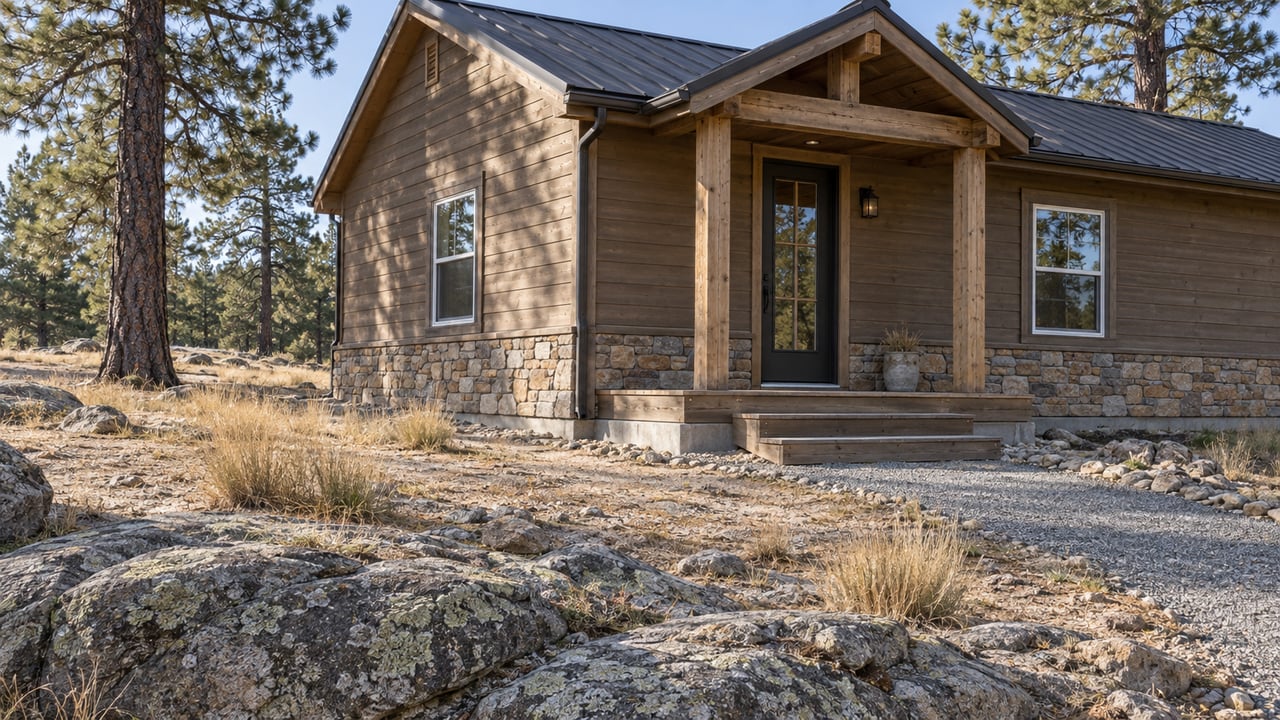
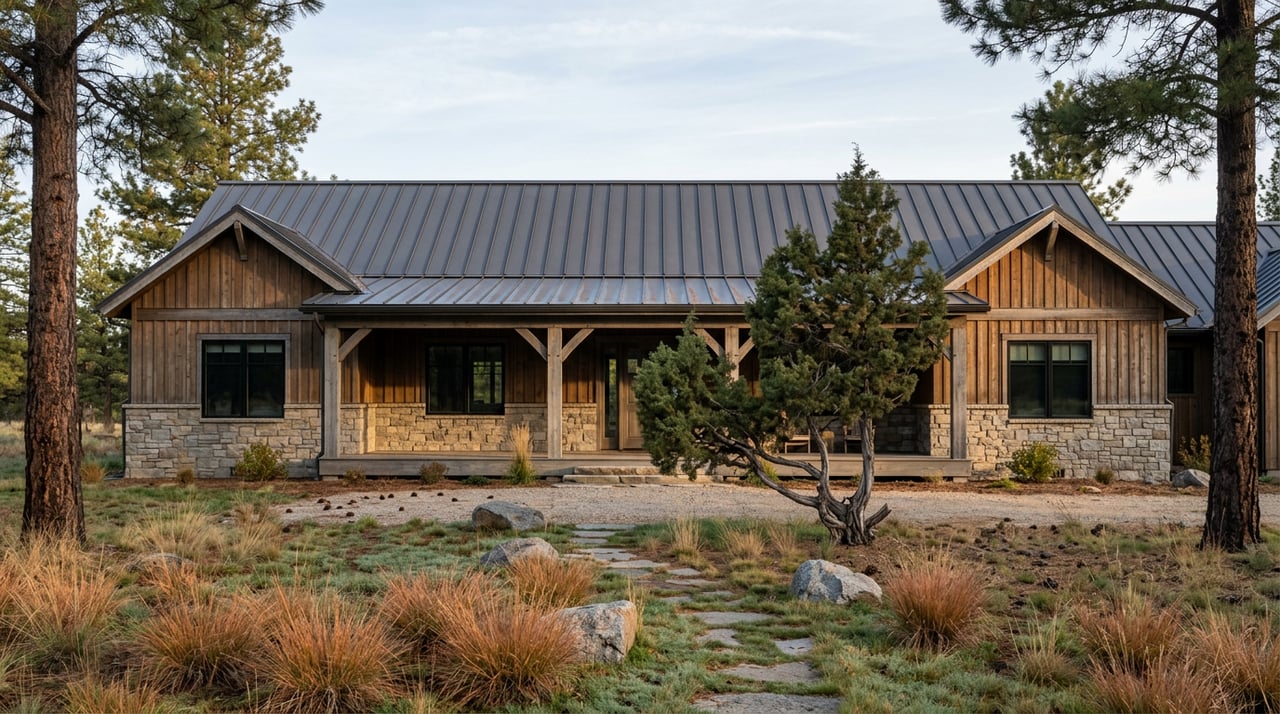
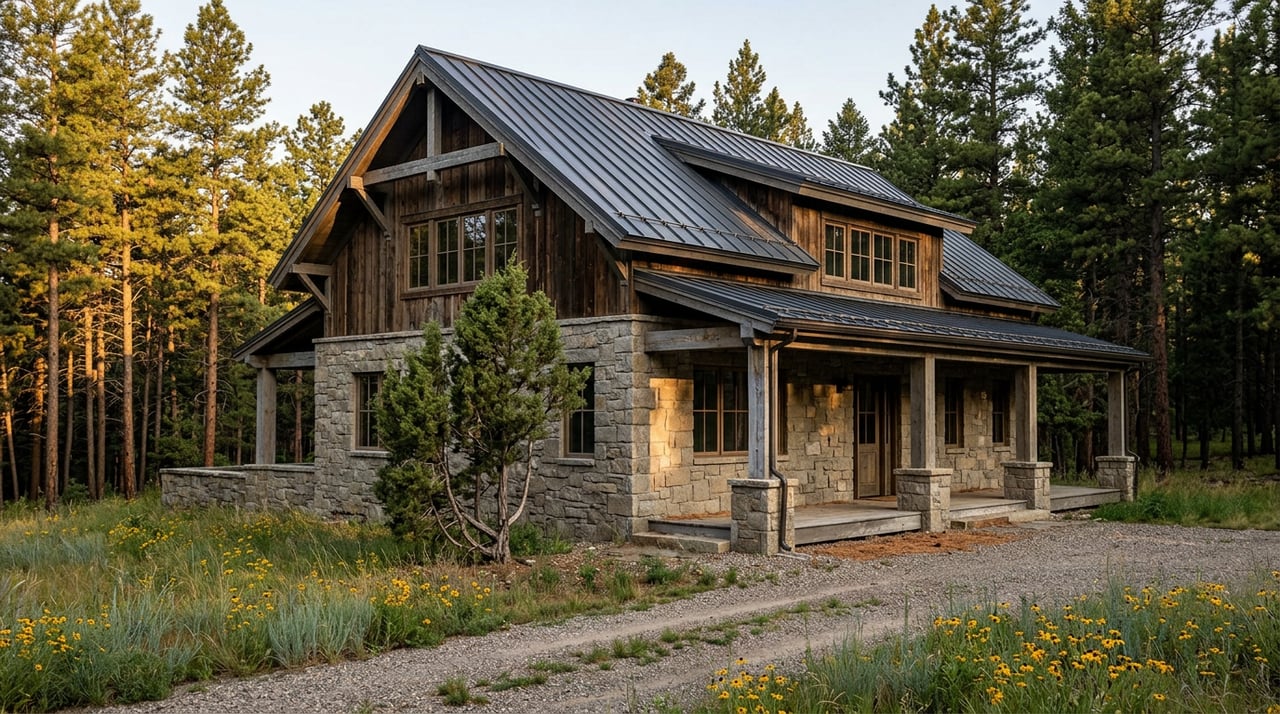
If you want room for gear or access to public land, acreage parcels, cabins, or homes with shops are common choices. Check access to state and federal lands, water rights when applicable, and details on well and septic systems. Ask about seasonal road maintenance for rural addresses.
Investment and short-term rentals
Properties close to major attractions like the Mammoth Site and Evans Plunge Mineral Springs Pool can work for short-term rentals. Review local ordinances, plan for peak summer demand versus quieter off-season months, and line up cleaning and management support before you launch.
Where to search and verify
Use the regional MLS for current listings and work directly with a local agent for off-market insights. For due diligence, check Fall River County property records for lot lines and tax history. If you’re exploring land or rentals, local property managers and county offices can help you validate zoning and use.
Commute and transportation
Everyday driving
Most daily travel is by private vehicle, and in-town trips usually run 10 to 20 minutes. Jobs are often in education, healthcare, tourism, county government, and small businesses. Public transit is limited, so plan around your own car.
Regional links and air travel
State highways provide the primary connections for Fall River County. Rapid City Regional Airport is the main commercial airport for western South Dakota. Confirm current routing and typical drive times before you commute to regional hubs.
Seasonal driving tips
Winter can bring snow and ice that affect travel time and safety. Plan for winter tires, an emergency kit, and clarity on driveway and street snow removal. Summer traffic can increase around popular recreation spots, so check drive times during peak season.
Healthcare and emergency care
Hot Springs offers primary care, clinic services, and emergency response. For specialty care and full-service hospitals, you may travel to regional centers. If you are relocating with kids, seniors, or chronic health needs, register early with local clinics and a pharmacy.
Practical steps:
- Transfer medical, dental, and veterinary records before you move.
- Confirm which local clinics accept your insurance and whether they are accepting new patients.
- Identify where you would go for urgent or after-hours care and learn referral pathways for specialists.
- For emergencies, call 911. Ask about county non-emergency contacts for general public safety needs.
Outdoor life and local amenities
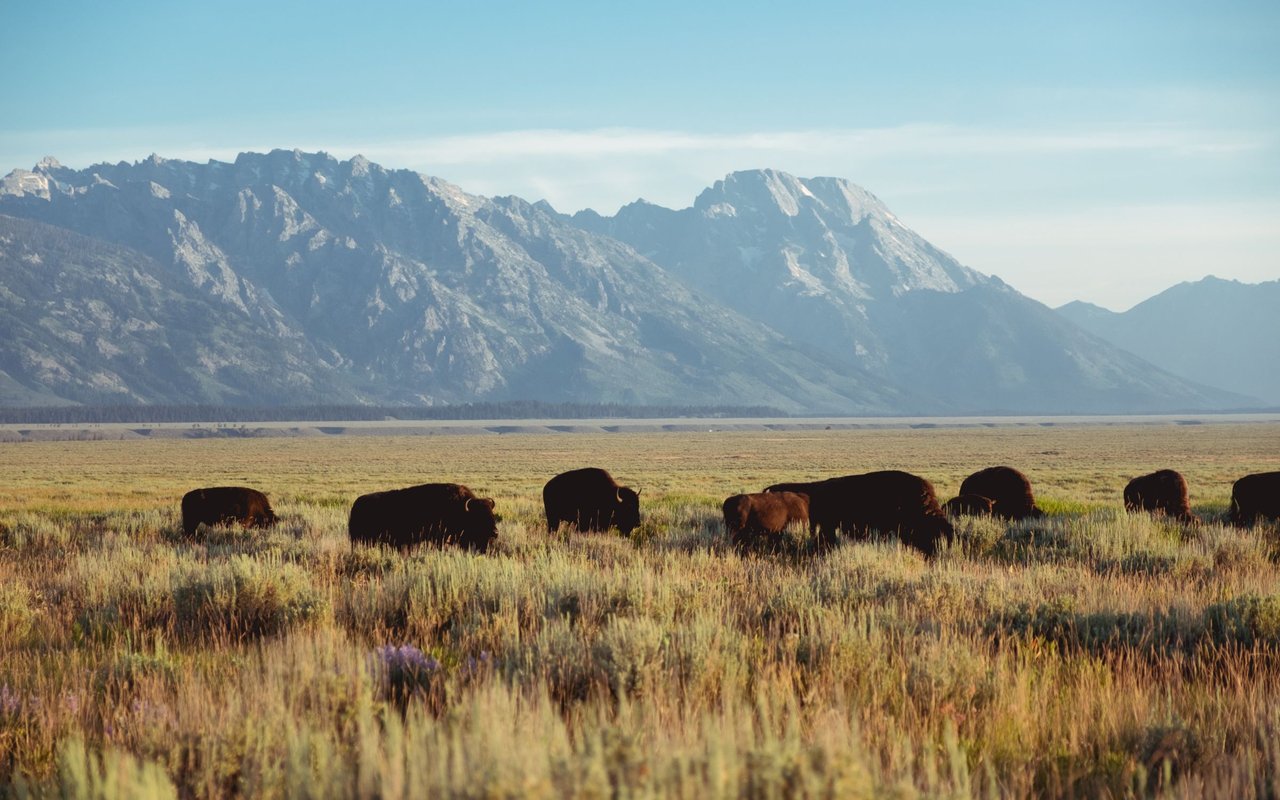
Hot Springs blends small-town living with standout recreation. The Mammoth Site offers a world-famous paleontology experience and community programs. Evans Plunge Mineral Springs Pool provides a public mineral water pool and recreation hub. Nearby Angostura Reservoir draws boaters and anglers, and the Black Hills National Forest opens up hiking, hunting, biking, camping, and scenic drives. Seasonal festivals, rodeos, and local markets give you easy ways to plug into the community.
Everyday essentials and setup
Groceries and retail
Expect basic grocery and retail options in town for day-to-day needs. For big-box or specialty shopping, residents often drive to larger regional centers. Plan a weekly or monthly stock-up routine if you prefer certain brands or equipment.
Banking and finance
You’ll find local bank branches and likely access to regional credit unions. Many residents use a mix of local branches and online banking, and some visit larger towns for specialized services.
Schools and childcare
Hot Springs has a local K–12 district. If you have school-age children, review the district’s enrollment process, school calendar, and extracurricular options. Licensed childcare and preschool slots can be limited in small towns, so start your search early and join waitlists if needed.
Utilities, internet, and services
- Water and sewer: The City of Hot Springs typically manages these services. Confirm start and stop procedures, billing cycles, and required identification.
- Electricity: A regional electric utility serves the area. Ask about account setup, deposits, and average monthly usage for your address.
- Heating: Many rural properties use propane or wood. Identify fuel delivery vendors and estimate seasonal needs.
- Trash and recycling: Service may be municipal or a contracted hauler. Verify pickup days, fees, and bulk or yard-waste options.
- Internet and phone: Expect a mix of DSL, limited fiber or cable in town, and satellite options like Viasat, HughesNet, or Starlink in rural areas. Verify speed and reliability at the address and consider a cellular hotspot as backup.
- Cell coverage: Coverage can vary. Check carrier maps and test at the property.
60-day relocation checklist
Day −60 to −31
- Research neighborhoods and housing, then finalize a lease or closing date.
- Schedule end-of-service for your current utilities and start-of-service for your new address.
- File a USPS change-of-address.
- Transfer school records and begin enrollment with the Hot Springs district.
- Request medical, dental, and veterinary records. Refill prescriptions to cover the move period.
- Review South Dakota registration and insurance rules if moving from out of state.
Day −30 to −14
- Confirm your movers or rental truck. Get written estimates and clarify insurance.
- Arrange any parking or loading access for moving day.
- Book internet or phone installation at your new home. If timing is tight, set up a temporary hotspot.
- For pets, confirm licensing, vaccinations, and a local veterinarian.
Day −14 to Day 0
- Pack room by room. Create a “first 48 hours” box with cleaners, tools, chargers, toiletries, and key documents.
- Confirm utility start/stop dates and gather final meter readings at your old address.
- Update billing addresses for banks, subscriptions, and insurance.
- Prepare a winter-ready vehicle kit if moving during colder months.
Day 0 to +14
- On arrival, verify heat, water, power, and internet are active.
- Register vehicles and review driver’s license steps for South Dakota if needed.
- Update voter registration with your new address.
- Enroll kids in school and confirm bus routes and times.
- Locate your nearest grocery, pharmacy, and emergency vet.
Day +15 to +60
- Meet neighbors and explore community groups, the library, and local events.
- Line up lawn care, snow removal, and trash service if not already handled.
- Confirm that all tax, insurance, and subscription addresses are updated.
- Establish care with a primary physician, dentist, and any specialists.
- If you plan improvements, check city or county permit requirements and contractor licensing.
Newcomer resources to consult
- City of Hot Springs: utilities, permits, ordinances, and local services.
- Fall River County: assessor and property records, tax information, emergency management.
- Hot Springs School District: enrollment and calendars.
- Healthcare: local clinics in Hot Springs and regional hospitals for specialty care.
- Recreation: The Mammoth Site, Evans Plunge Mineral Springs Pool, Angostura Reservoir, and Black Hills National Forest.
- Transportation and safety: South Dakota Department of Transportation for routes and advisories, and the SD DMV for licensing and registration.
- Chamber of Commerce: business directory, events, and relocation support.
Make your move with confidence
Relocating is easier when you have a clear plan and a local guide who understands small-town housing, rural acreage, and the lifestyle that draws people to the southern Black Hills. If you want a curated search, practical advice, and steady follow-through from a team that lives and works here, connect with Joel Hawkins to schedule a free consultation.
FAQs
How long is the drive from Hot Springs to Rapid City?
- Plan your route and check current conditions before each trip, since weather and seasonal traffic can change drive times on state highways.
Is internet reliable for remote work in Hot Springs?
- It depends on the address; verify provider options and run speed tests, and consider backup plans like a cellular hotspot or satellite for rural properties.
What healthcare is available locally in Hot Springs?
- You’ll find primary care and clinic services in town, with referrals to regional hospitals for specialty care; register with providers early and transfer records before you move.
How do I set up utilities for a Hot Springs home?
- Contact the City for water and sewer, the regional electric provider for power, and local vendors for trash and propane if needed; ask about deposits, ID, and start dates.
Are short-term rentals allowed in Hot Springs and Fall River County?
- Rules vary by jurisdiction; review city ordinances and county regulations before you buy or launch a rental to confirm permits and operational requirements.
Does Hot Springs have public transportation?
- Public transit is limited; most residents rely on private vehicles, and school buses provide student transport.