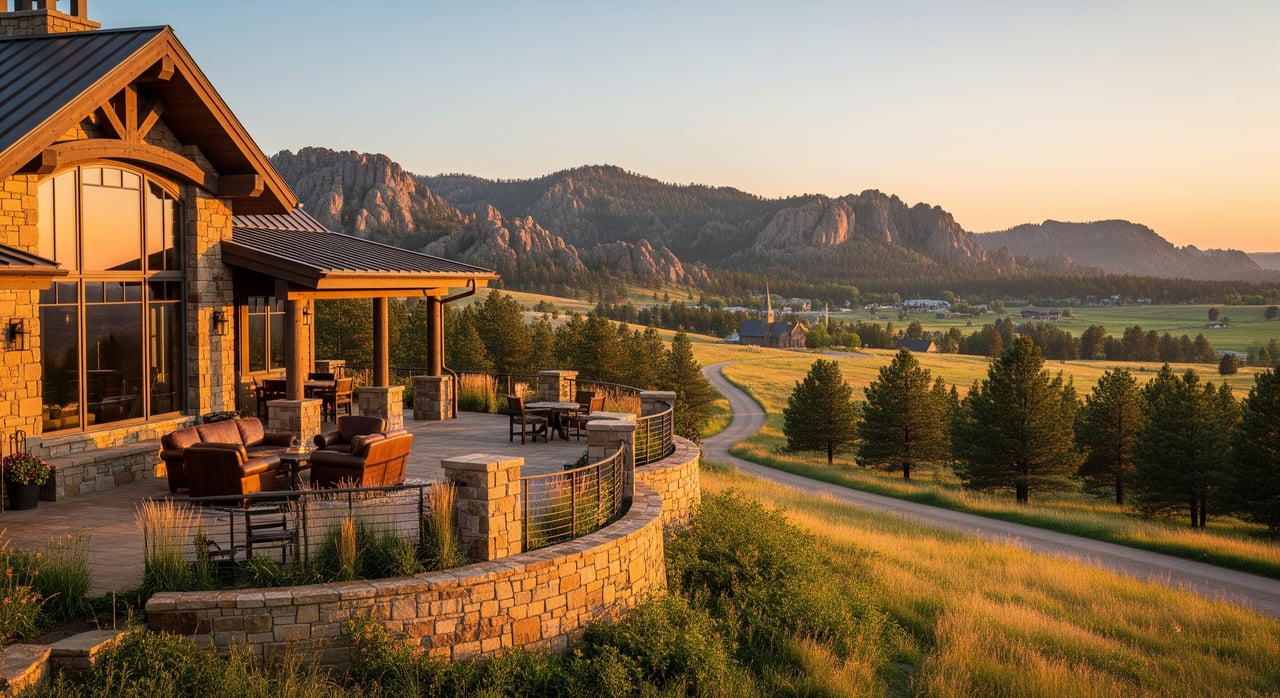
Acreage vs In-Town Custer Homes: Which Fits Your Life?
December 18, 2025
December 18, 2025
Do you picture quiet mornings on your own acres, or do you love being minutes from groceries and school drop-off? In Custer, you can choose both kinds of life, and each comes with real trade-offs. If you understand maintenance, utilities, access, and rules before you buy, you’ll make a choice that fits your day-to-day. This guide breaks it down with simple checklists and local context so you can move forward with confidence. Let’s dive in.
Acreage owners typically handle land management like mowing, fencing, weed control, and brush clearing. Longer driveways mean you’re likely paying for snow removal and occasional grading. Private wells, septic systems, and outbuildings add inspections and routine care. Ask for past maintenance records and get quotes for plowing, grading, and fence or barn repairs.
Smaller lots reduce lawn and exterior maintenance. Town crews usually handle street plowing, sweeping, and basic road care for public streets. If a neighborhood has an HOA, it may cover landscaping or common areas, so review what is included. Confirm which services the town provides on your specific street.
On acreage, private wells are common. Well depth, condition, and water quality vary by parcel, so require a recent water quality test and a pump/well inspection. Septic systems are also typical; verify the system’s age, design, maintenance history, and permit status. In town, municipal water and sewer are often available, but always confirm availability and any hookup fees.
Rural power is generally delivered by a regional utility or cooperative, often by overhead lines. Extending service to a new or remote site can add cost, so confirm the service point early. Natural gas is less common outside town, so propane, wood, oil, or electric heat are common. In town, electric service is established and some areas may offer natural gas; verify options by neighborhood.
Internet and cell signals can be inconsistent on acreage. Many rural owners use satellite or fixed wireless, which vary in speed and data limits. In town, wired options and stronger cell coverage are more likely, but still test at the address. Run on-site speed tests, check providers, and consider a backup like satellite if remote work is a priority.
Many rural parcels sit on county or private roads. If a road is private, owners often share maintenance through an agreement, and you are responsible for your driveway. In town, municipal crews plow and maintain public streets on a set schedule. Confirm whether access to the property is public or private and request any recorded road maintenance agreement.
Remote parcels can see longer response times, especially during severe weather or when roads drift and ice over. In town, access is usually easier and faster for emergency services. Ask local fire and EMS about typical response times to the address and look at alternate routes if one approach gets blocked in a storm.
Rural parcels may fall under county zoning only, but many subdivisions have recorded covenants that shape what you can do. Rules can affect livestock, accessory buildings, home-based businesses, and architectural standards. In town, zoning and building codes are more defined and some neighborhoods include HOAs with rules and dues. Always check recorded covenants, confirm your zoning district and permitted uses, and verify any setbacks or rental rules before you commit.
In-town living puts you closer to groceries, dining, schools, the post office, and community events. You’ll likely spend less time and fuel on errands and appointments. Acreage offers privacy and room to spread out, but you will drive more, especially in winter or during road work. Map your commute to work, school, and healthcare and factor that into your weekly routine.
Forested and brushy areas in the southern Black Hills can face seasonal wildfire risk. Some rural homes carry higher insurance premiums and may require defensible space or ember-resistant upgrades. Wildlife can affect gardens, fencing, and pets. Gather insurance quotes early, ask about local fire district mitigation programs, and plan for fencing or deterrents in your budget.
You need reliable, high-speed internet, stable power, and a quiet workspace. An in-town home or acreage with proven wired, fixed wireless, or satellite service can work well. Run speed tests at the property, verify provider options, and consider backup power, like a generator.
Focus on acreage size, well yield, fencing, and outbuildings. Make sure zoning allows your intended animal count and that trucks and equipment can access the site. Inspect barns and corrals and price any needed upgrades.
Low upkeep and year-round access matter most. In-town homes or close-in acreage near paved roads are easier to manage. If you plan to rent the home seasonally, verify town and HOA rules before you buy and check insurance for seasonal use.
Choosing between acreage and in-town living in Custer is about fit. You deserve clear answers on permits, utilities, road status, and costs before you decide. Our team at Black Hills Homes and Land, operating as Heartland Real Estate, brings local stewardship, practical rural know-how, and professional marketing to guide your move. If you want a calm, step-by-step path to the right property, let’s talk.
Ready to compare specific addresses, run utility checks, or line up inspections? Schedule a free consultation with Joel Hawkins for local guidance tailored to your goals.
Stay up to date on the latest real estate trends.
We are committed to guiding you every step of the way—whether you're buying a home, selling a property, or securing a mortgage. Whatever your needs, we've got you covered.
Address 106 S Chicago St Hot Springs SD 57747